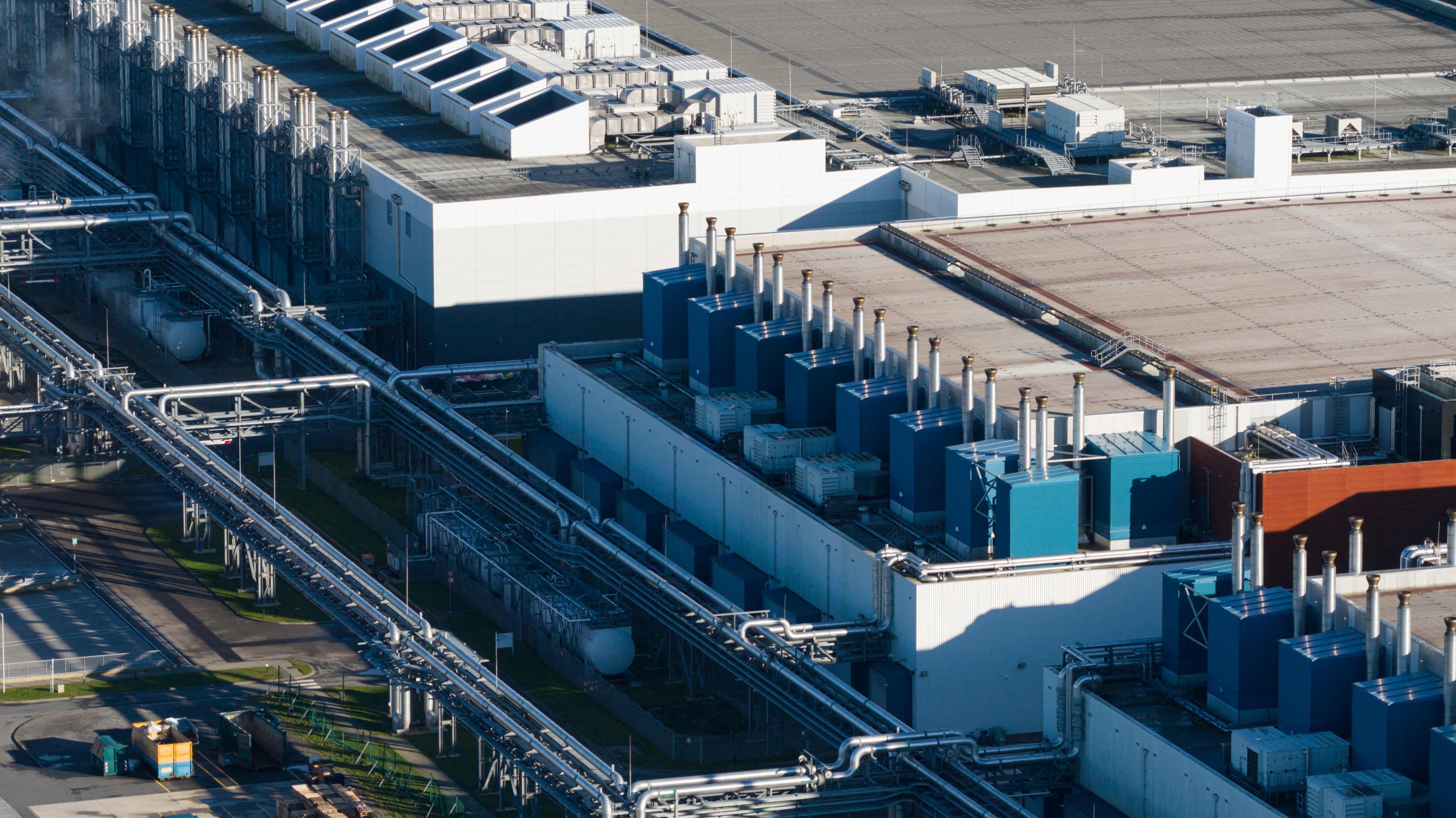
In East Germany, at the heart of Silicon Saxony, stands a semiconductor fab that embodies both complexity and scale. The large-scale project extends an existing manufacturing site and encompasses approximately 78,000-square-meters of fab space, a 22,000-square-meter cleanroom, and a 40,000-square-meter Central Utilities Building (CUB), all designed to support the next generation of semiconductor production.
Exyte was awarded the project in 2023, marking its second-largest EPC (Engineering, Procurement, and Construction) contract in Continental Europe. The project demonstrates Exyte’s ability to deliver highly complex, large-scale facilities with speed, precision, and quality. It also highlights the strength of its integrated project delivery approach, from design through to execution.
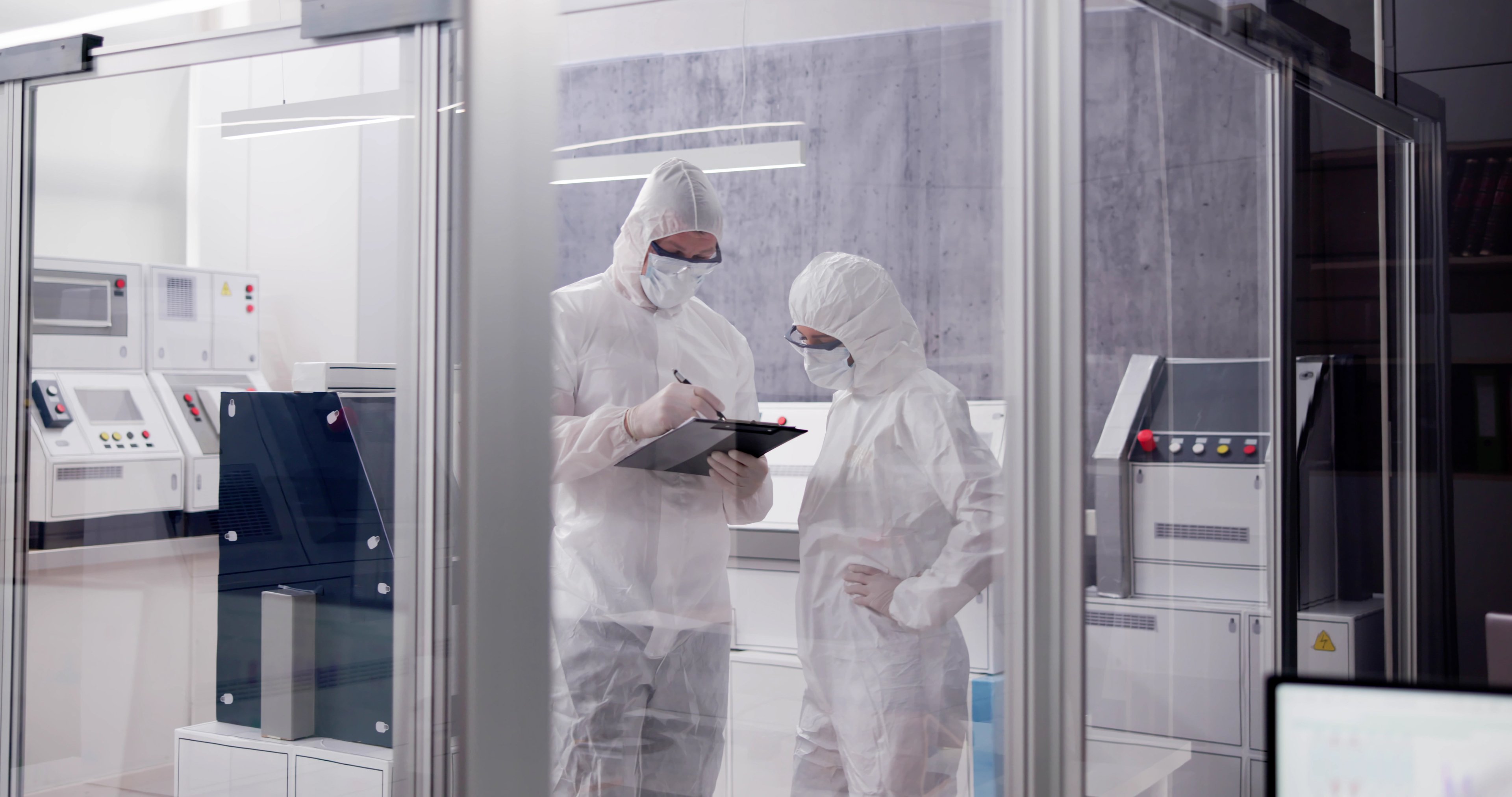
Built within a constrained footprint, the fab features extensive underground utility infrastructure and a highly prefabricated construction approach.
Rethinking conventional design approaches
To successfully deliver the project within significant space constraints, Exyte had to rethink conventional design approaches. Rather than expanding outward, the solution was to build downwards, transforming a limitation into a defining feature of the project. Unlike most semiconductor facilities, where key support buildings such as the Central Utilities Building (CUB) are arranged around the main fab, the restricted footprint left no room for horizontal expansion. Exyte’s answer was to move the majority of the technical infrastructure underground.“The underground works alone were something we had not seen before at this scale in Europe,” adds Mark Britton, Assistant Project Director. The lowest levels of the building now house extensive support systems, forming the backbone of the facility. Wastewater treatment systems with storage tanks of up to 25 cubic meters sit alongside major chiller plants, electrical distribution infrastructure, and large-scale water storage systems, all carefully integrated below grade.
This highly engineered underground layout not only solved the space challenge but also enabled optimal use of the available footprint above ground, ensuring that production areas could be maximized while maintaining efficiency, safety, and long-term operational resilience.

Exyte Project Director, Manuel Magg
Parallel progress with offsite manufacturing
Exyte utilized OSM heavily on this project as a strategic response to ensure faster delivery, while also addressing the spatial limitations. Entire sections of the fab’s internal infrastructure including chemical, gas, water, wastewater, and exhaust systems, were pre-assembled in neighboring Czech Republic by Exentec, an Exyte company. These systems were built into large, fully integrated modules, measuring approximately seven by three meters, before being transported to Dresden and lifted directly into place.
“OSM allowed us to do the most complex installation work somewhere else,” explains Magg. “When the modules arrived on site, they could be installed very quickly, rather than assembled piece by piece in a very narrow building. This approach improved safety, schedule, and simplified logistics by reducing on-site risks and enabling parallel fabrication and installation.”
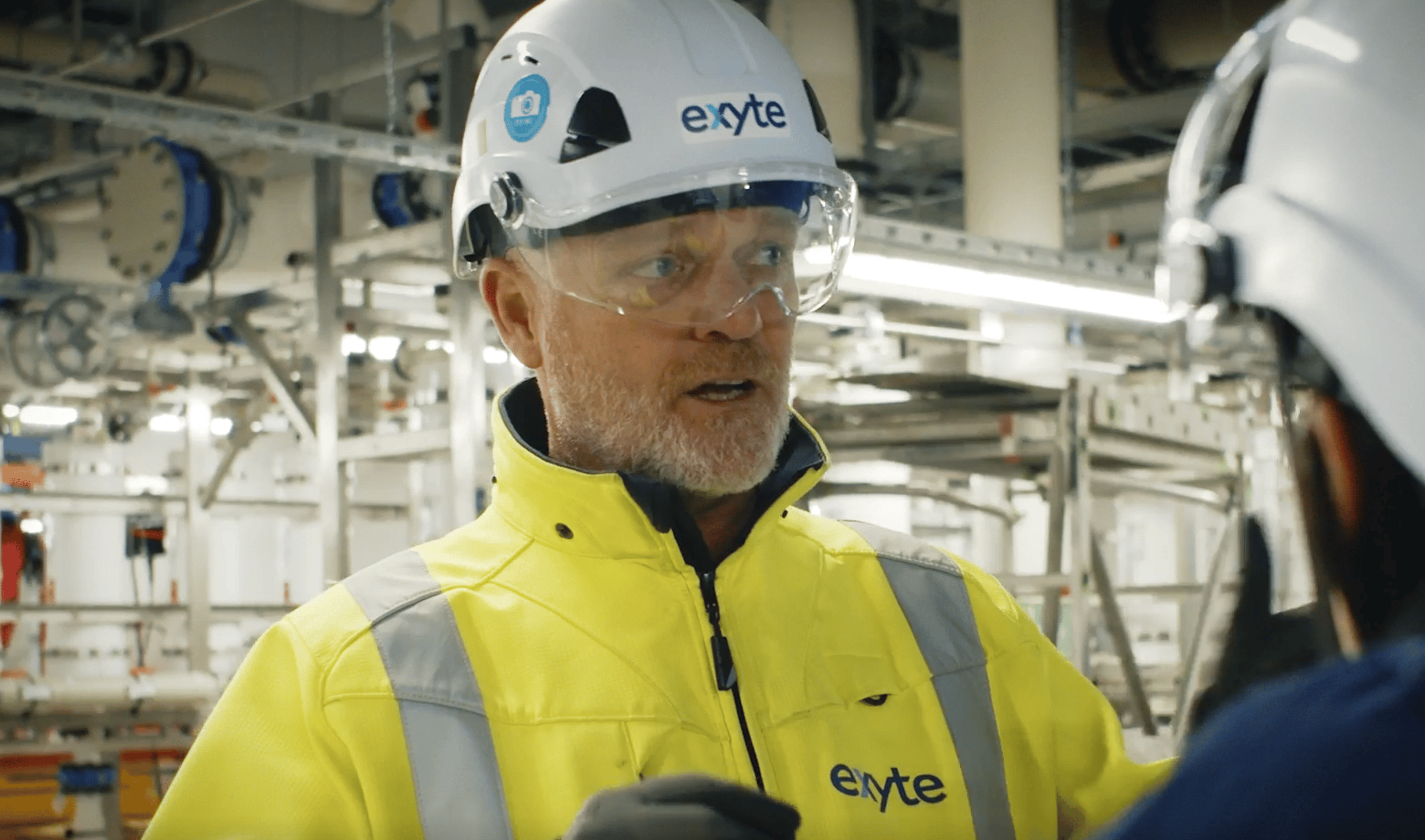
Assistant Project Director, Mark Britton
Taking OSM vertical
Installation of a network of vertical shafts of approximately 45 meters high was required to distribute gases, chemicals, and utilities through the building. Installing these systems on-site would have involved lifting and welding pipes of up to one meter in diameter at height, significantly constraining access and slowing progress. Instead, Exyte engineered large vertical riser sections, measuring between 18 and 20 meters in height, as fully finished assemblies. These were lifted in from above through the open roof, fixed in place, and successively stacked within the shafts. “While this approach required additional upfront engineering, it reduced installation time and on-site congestion,” explains Britton.“The underground works alone were something we had not seen before at this scale in Europe,” adds Mark Britton, Assistant Project Director. The lowest levels of the building now house extensive support systems, forming the backbone of the facility. Wastewater treatment systems with storage tanks of up to 25 cubic meters sit alongside major chiller plants, electrical distribution infrastructure, and large-scale water storage systems, all carefully integrated below grade.
This highly engineered underground layout not only solved the space challenge but also enabled optimal use of the available footprint above ground, ensuring that production areas could be maximized while maintaining efficiency, safety, and long-term operational resilience.
A fully prefabricated sub-fab
Perhaps the most significant application of OSM was in the sub‑fab, which is the area of the facility where production tools connect with distribution systems such as ultra-pure water and process chemicals. Covering approximately 15,000-square-meters, the sub‑fab was designated early in the project as a 100 percent offsite manufactured scope. “All of the mains, which are the major distribution lines for critical utilities including ultra‑pure water and process chemicals, sub-mains, and laterals were prefabricated,” Britton notes. “On other facilities around the world, OSM may reach 60 or 70 percent in this area, but for this project, we went all in.” Approximately 20 percent of the entire project scope was executed using OSM, a significant share given the project’s scale. More importantly, it enabled multiple phases to move forward in parallel.
Planning for complexity
On projects of this scale, success depends as much on planning and risk management as on technical expertise. Here, teams focused early on identifying critical risks and working backwards from fixed milestones to protect the overall schedule.
One example was the ultrapure water system, essential for tool qualification. “From experience, we know that systems like ultrapure water can take up to eight weeks to bring into specification,” says Project Manager Colin O’Kane. “So, we planned backwards and installed a temporary system early. That decision meant the project timeline was protected.”
This disciplined approach reflects a broader mindset: as Manuel Magg emphasizes, investing time in careful planning enables rapid, effective execution. The fab is now operational and produces power semiconductors, mixed signal chips, analog circuits, and microelectronics for artificial intelligence, playing a key role in shaping the technologies of tomorrow.
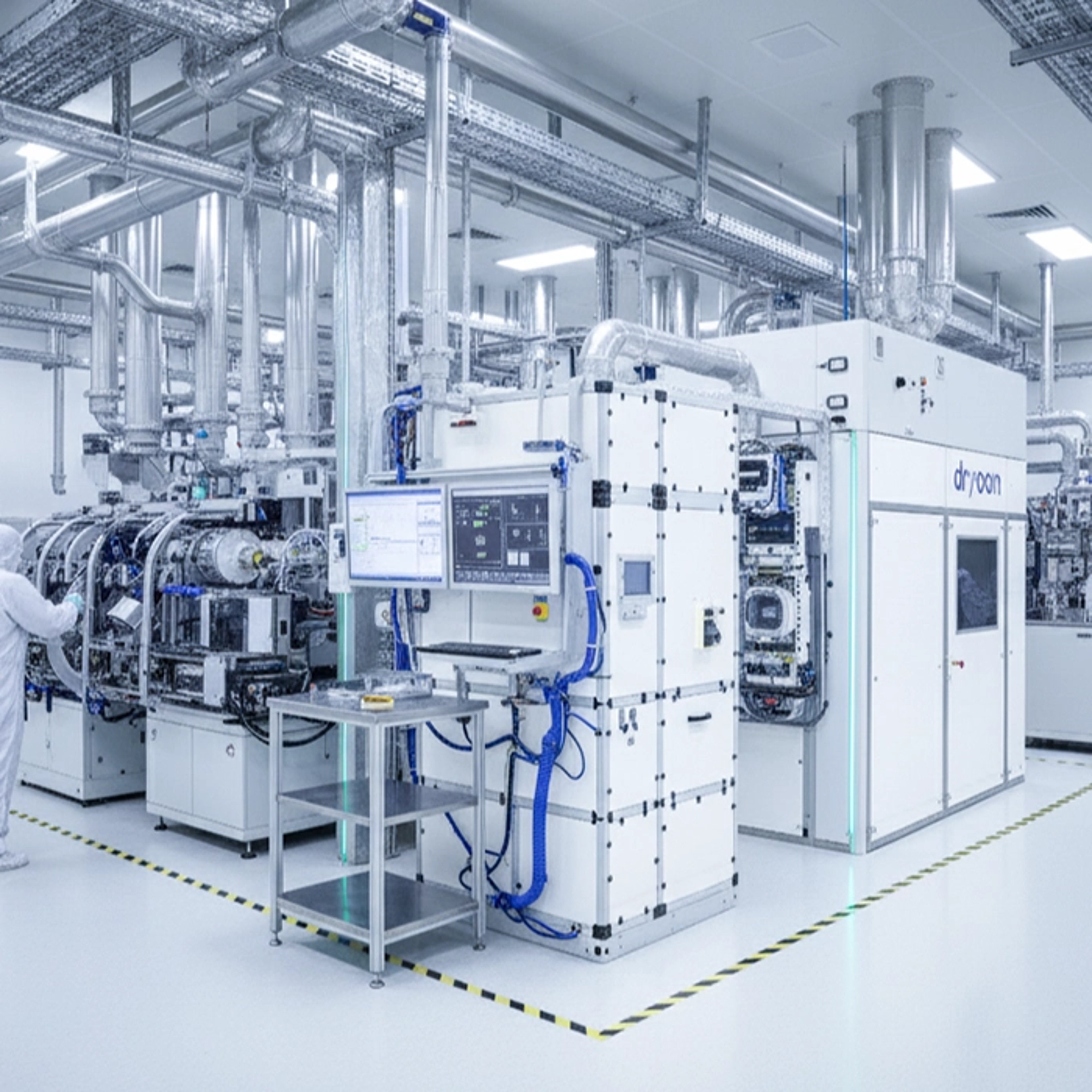
Off-site Manufacturing
Exyte's Off-site Manufacturing (OSM) approach enables more predictable delivery of complex facilities through modularization, standardization and industrialized execution. Discover how OSM supports accelerated project delivery across semiconductors, biopharma and life sciences, batteries and data centers.