Putting people at the heart of safety
Putting people at the heart of safety
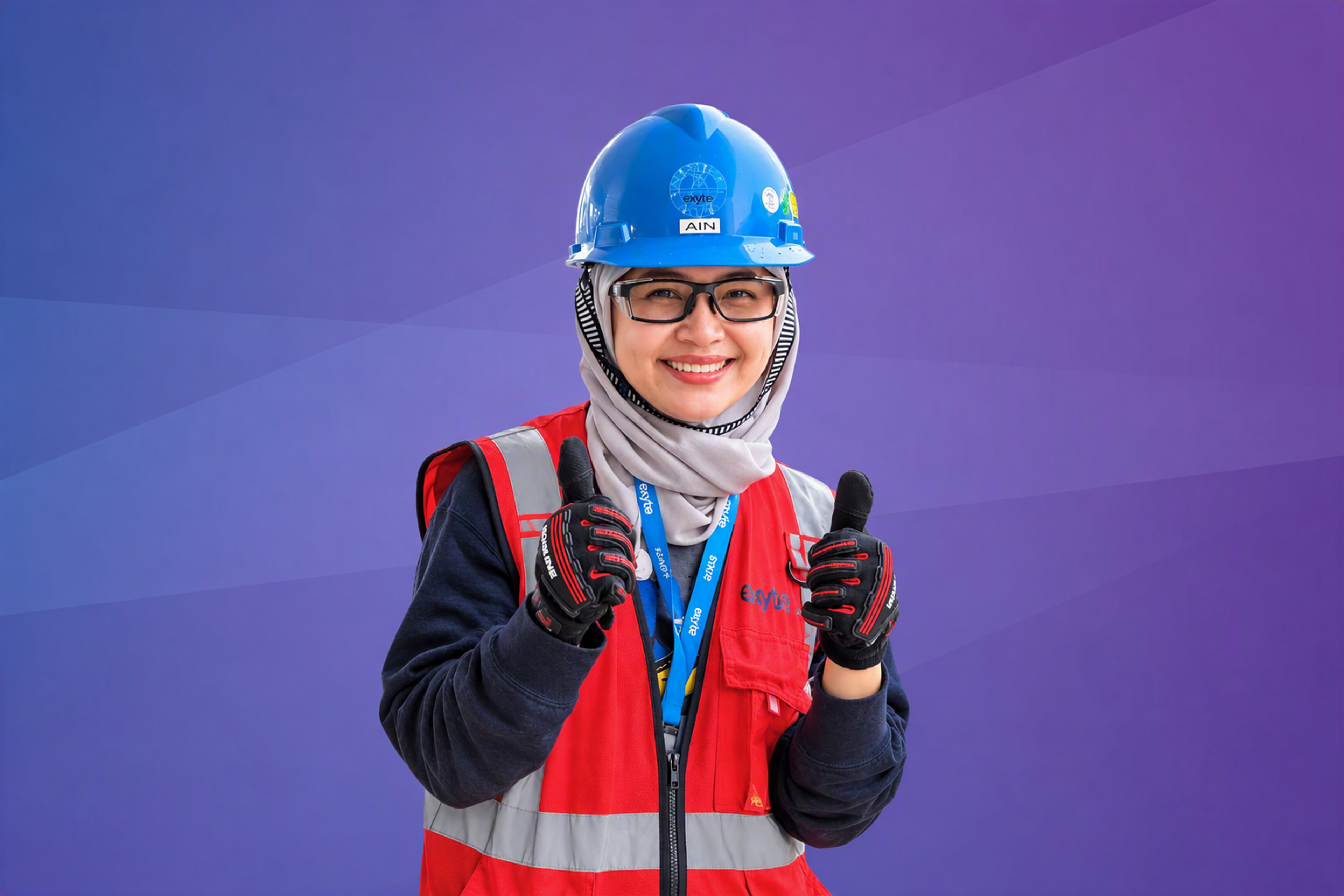
As an Environment, Health, and Safety (EHS) Manager at Exyte in Malaysia, Nur Ain Nurry helps create a safe working environment for the people bringing complex projects to life. For her, safety ultimately comes down to something simple: making sure people can return home safely to their families at the end of the day. It is this personal responsibility toward the people on site that shapes the way she approaches her work.
Safety has been at the center of Nur Ain Nurry’s career from the beginning. With a strong belief that successful projects start with safe people, she pursued a career in EHS. Before joining Exyte, she gained experience in both the construction and oil and gas industries.
When she joined Exyte in 2021, it was also her first step into the semiconductor industry. She initially joined as an Environmental Manager before gradually taking on broader responsibilities across EHS. The transition allowed her to build on her previous experience while developing a deeper understanding of safety and environmental management within semiconductor projects.
More than meeting requirements
For Nur Ain Nurry, EHS is about more than making sure requirements are followed. Experience has taught her that creating a safe workplace also depends on understanding people and helping them recognize why safe ways of working matter.
Much of that happens directly on site. Her days also involve meetings and coordination with clients, management and other stakeholders, connecting what is happening on the ground with the wider requirements of the project. This means moving between different situations and working with different groups of people, while maintaining the same focus on safety.
Over the course of her career, she has learned that simply communicating a requirement is not always enough. People need to understand what it means for the work they are doing and why it matters. That has shaped an approach to EHS that is centered not only on requirements, but also on the people expected to put them into practice every day.
Building trust on site
Some of the moments that mean the most to Nur Ain Nurry are surprisingly small. Workers on site regularly approach the EHS team for advice and guidance on staying safe. Over time, some have also shared stories about their families and lives outside of work. These conversations remind her that safety goes beyond the project itself. It is about protecting people and the families who rely on them.
Building those relationships is particularly important when communication itself becomes a challenge. Language barriers can make it more difficult to explain safety advice or make sure a message has been understood in the way it was intended. Her way of dealing with this starts with how she treats the people around her.
“To manage situations like these, the first step is to treat people with respect,” she says. “When people understand that your intention is to help, not to criticize, it builds trust. Even when there is a communication barrier, that trust helps bridge the gap.” For her, trust plays a crucial role in how people respond to safety messages. It creates more open conversations on site and reflects the human side of a role built around looking after others.
Stronger through teamwork
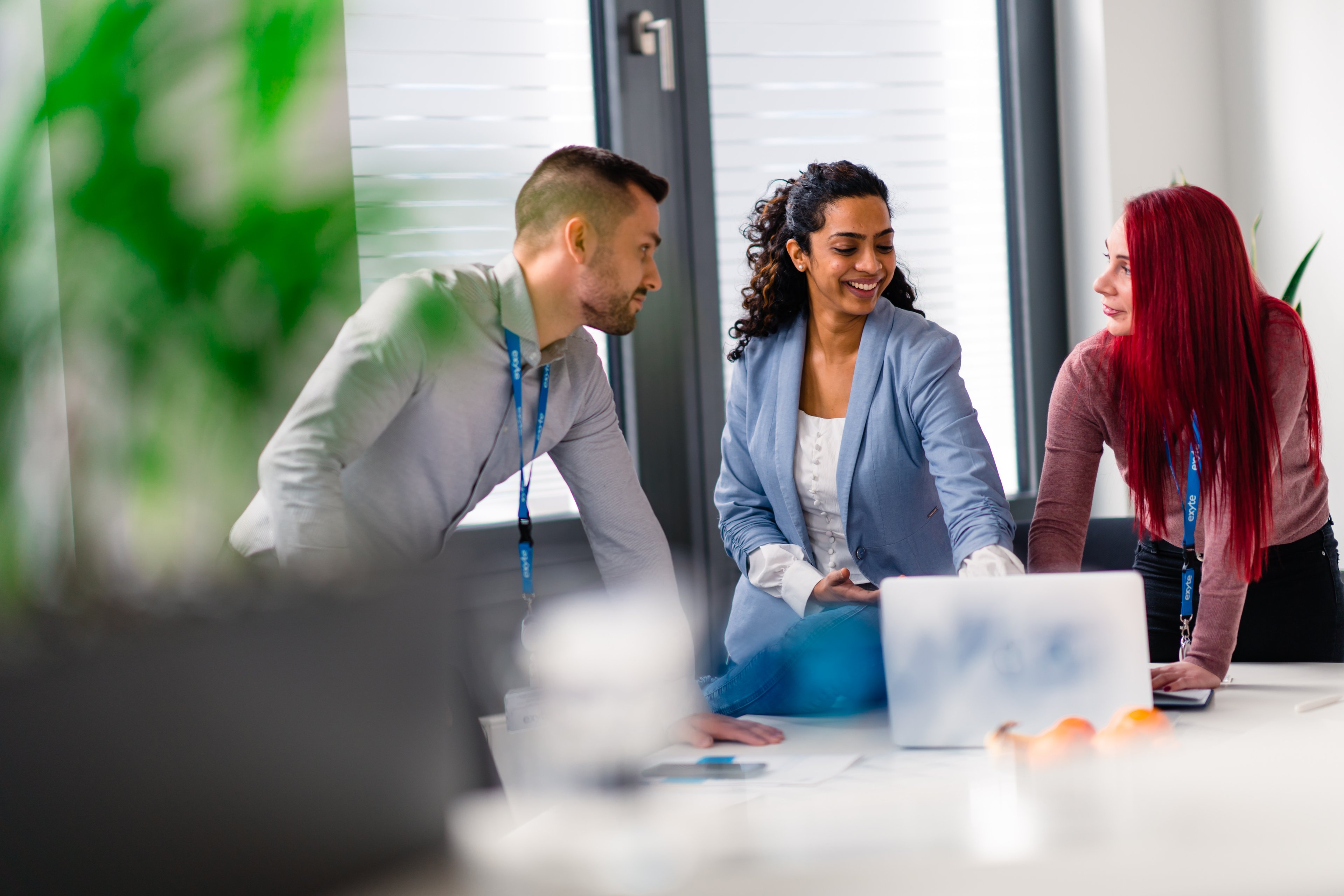
The importance of trust is also reflected in the way Nur Ain Nurry works with her colleagues at Exyte. Within the EHS team, colleagues bring different areas of expertise and can rely on one another whenever additional knowledge or guidance is needed. This creates a collaborative environment where people can support each other in their day-to-day work.
Being part of this environment has also supported her professional growth. Since joining Exyte with a background in environmental management, she has expanded her responsibilities within EHS and gained experience in the semiconductor industry. Along the way, she has learned from the expertise of her colleagues while also bringing knowledge from her previous roles.
For her, the purpose behind the work remains deeply human. Knowing that people can carry out their work safely and return home to their families is what continues to make her role at Exyte meaningful.