From powering everyday devices like smartphones and laptops to enabling the global transition to renewable energy, emission-free transportation, and sustainable mobility, modern batteries have largely become an indispensable cornerstone of daily life. Driven by the vision to create a better future, Exyte is deeply committed to the battery industry. As the global market and demand for batteries continue to grow, key metrics for battery projects, such as timelines, costs, and sustainability, are becoming increasingly critical.
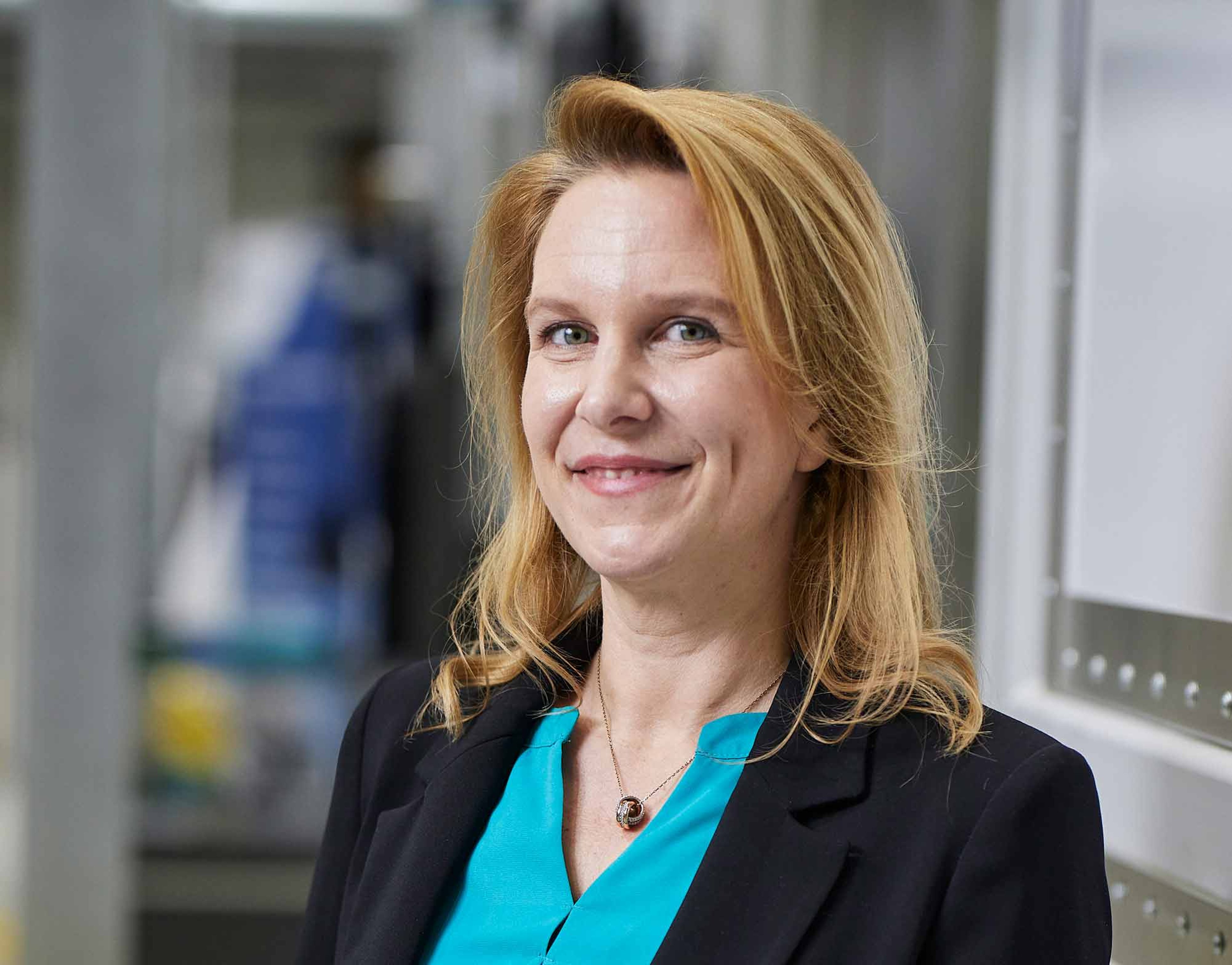
Director of the Battery Technology Business Unit at Exyte’s subsidiary Exentec
Energy and cost savings are not only decisive for mass production but equally important for new battery cell research and development on a much smaller scale. Exyte’s latest answer to this call is Dryoon, its Mini-Environment concept – small steel cabins covering individual process steps and functioning as autonomic, fully automated mini-dry rooms resembling simple gatehouses at first sight.
Even more striking than their appearance are the tangible benefits they offer. “We firmly believe that Mini-Environments will enable the battery industry to significantly reduce energy consumption, lower operating costs, and improve its overall environmental balance,” explains Nicole Neub, Director of the Battery Technology Business Unit at Exyte’s subsidiary Exentec, a global provider of advanced cleanroom and production environment solutions.
Dry air – central to success
At the core of Dryoon, Exentec’s Mini Environment solution, is a simple principle: reducing dry air demand by isolating critical production steps. How is energy consumption reduced? Unlike battery cell fabrication in large, open dry rooms, Mini-Environments reduce the amount of dry air required by isolating individual production steps within the small and, therefore, easier-to-regulate environments.
Neub, an engineer with a background in specialized mechanical engineering, explains: “Battery cell development and production both require a completely dry environment that is strictly monitored and controlled. Factors such as humidity and airflow need to be managed and regulated, as they can impact the quality and reliability of the battery cells produced.”
Separation of humans from the product
The task to achieve this feat is as simple as it is difficult: separating humans from the product – namely, the battery cells. “The biggest risk to the dry room environment is and remains the people working inside it,” says Neub.
“We have to think of humans as warm, moisture-emitting objects floating across the production area, constantly disrupting the ideal climate wherever they go. Rectifying these disturbances was our primary focus when developing the Mini-Environments.”
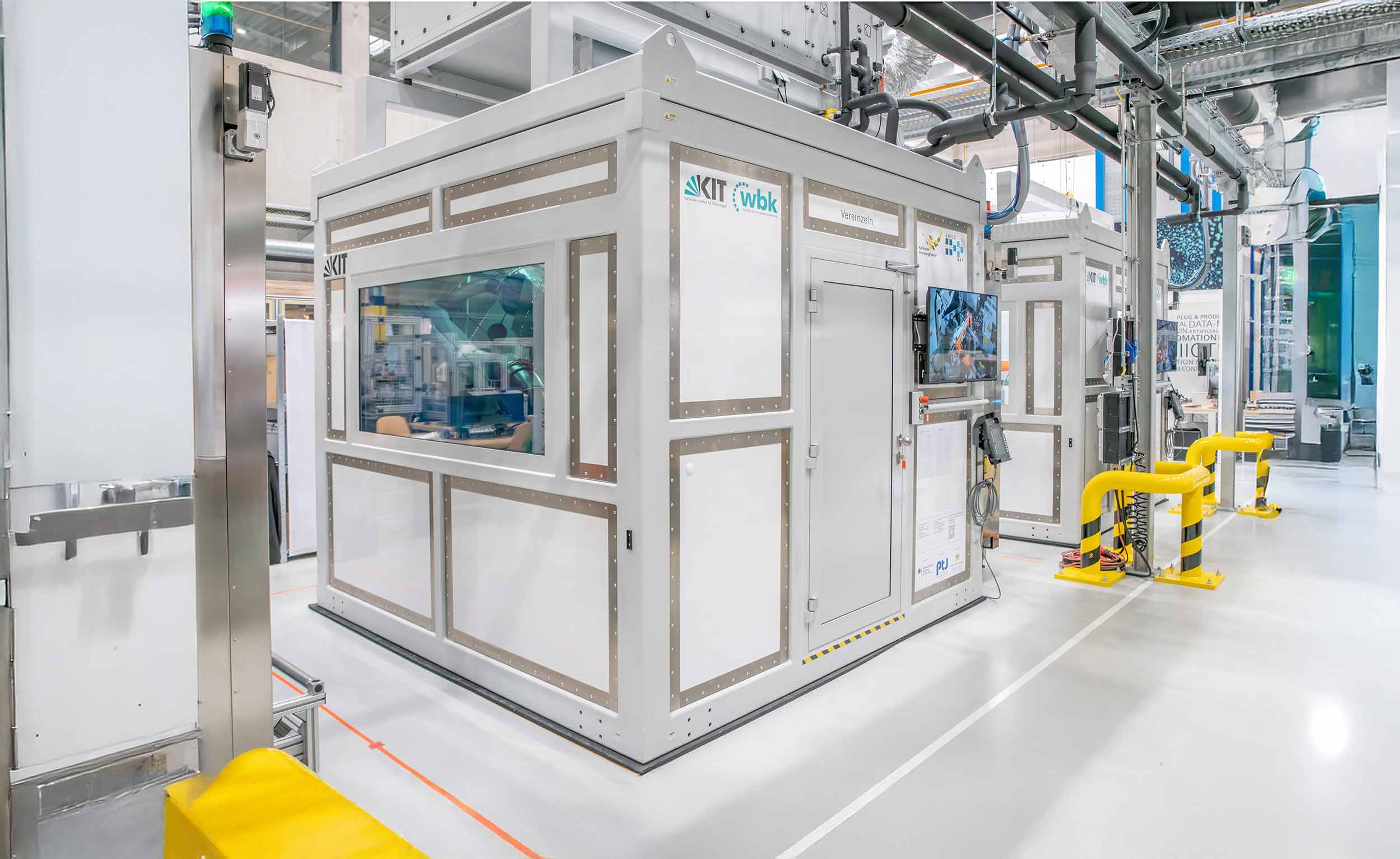
Energy and cost efficiency play a vital role on the research and development of new battery cells.
Game changer with a long list of benefits
But the list of benefits doesn’t end with energy savings. “We see this technology not only as the future for optimizing gigafactories for mass production but also as a way to support our customers in the battery sector. It enables them to efficiently and sustainably research and develop new battery cell chemistries on a smaller scale before approving them for market entry and mass production,” says Neub enthusiastically.
A pilot project dedicated to this purpose is currently underway at Germany’s Karlsruhe Institute for Technology (KIT). A total of five fully automated, modular Dryoon cabins house the critical process steps for testing and developing new battery cell chemistry on a small scale. KIT uses this setup for its own research and additionally offers the facility to industry partners.
Exyte is optimistic about the future and potential of Dryoon and the broader Mini-Environment approach. “We are confident that this new technology can be a game-changer, especially when it comes to sustainability, which should be at the forefront of all the innovations we design and develop,” concludes Neub.
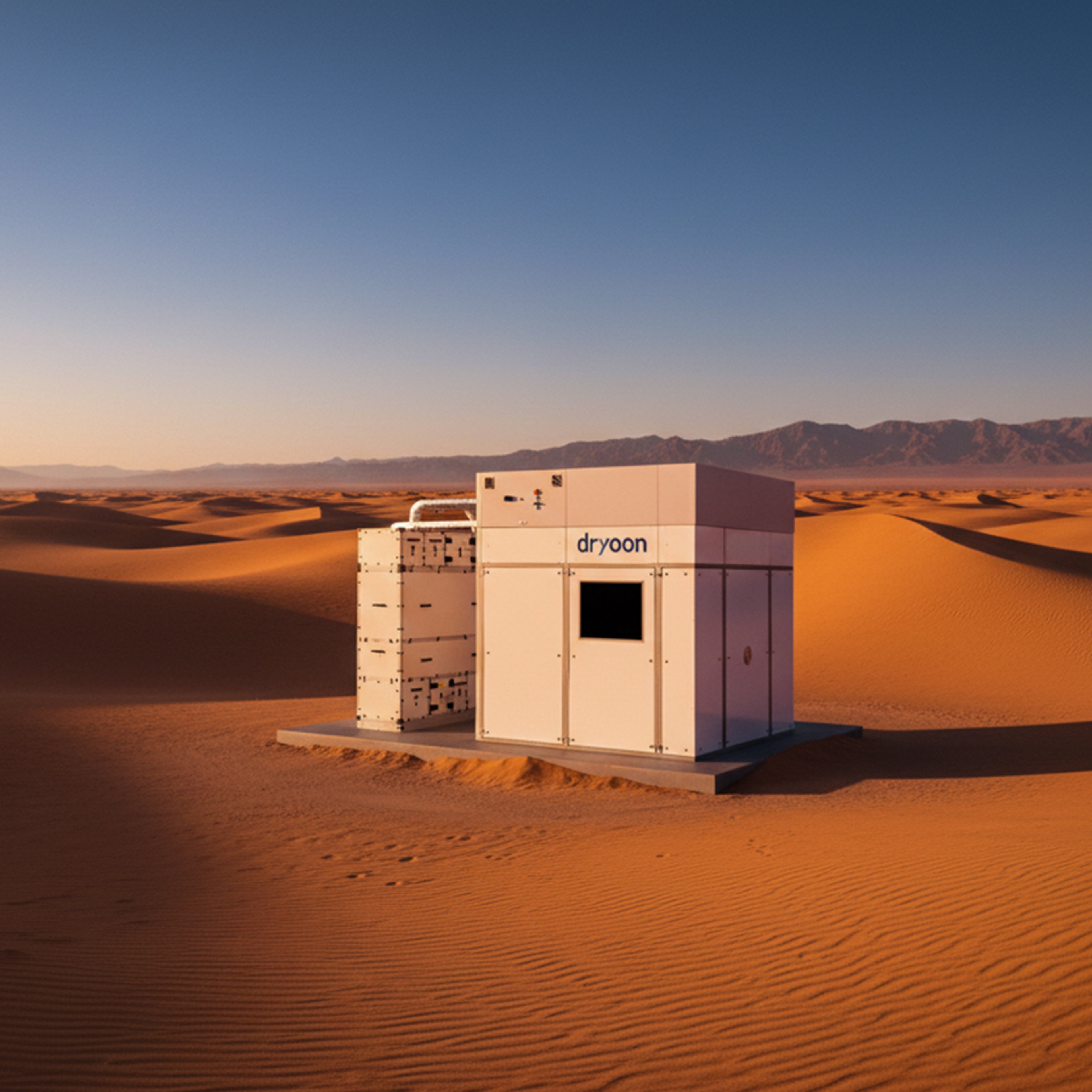
DRYOON®, an essential for battery production
Exentec’s DRYOON® solution delivers a fully autonomous battery‑production environment that boosts process stability, enhances product quality, and dramatically lowers energy use. It increases supply reliability, supports competitive local manufacturing, and enables major reductions in CO₂ emissions. The system provides outstanding sealing performance, convenient access, extremely low dry‑air consumption, and removes the capacity limitations seen in traditional cleanrooms.