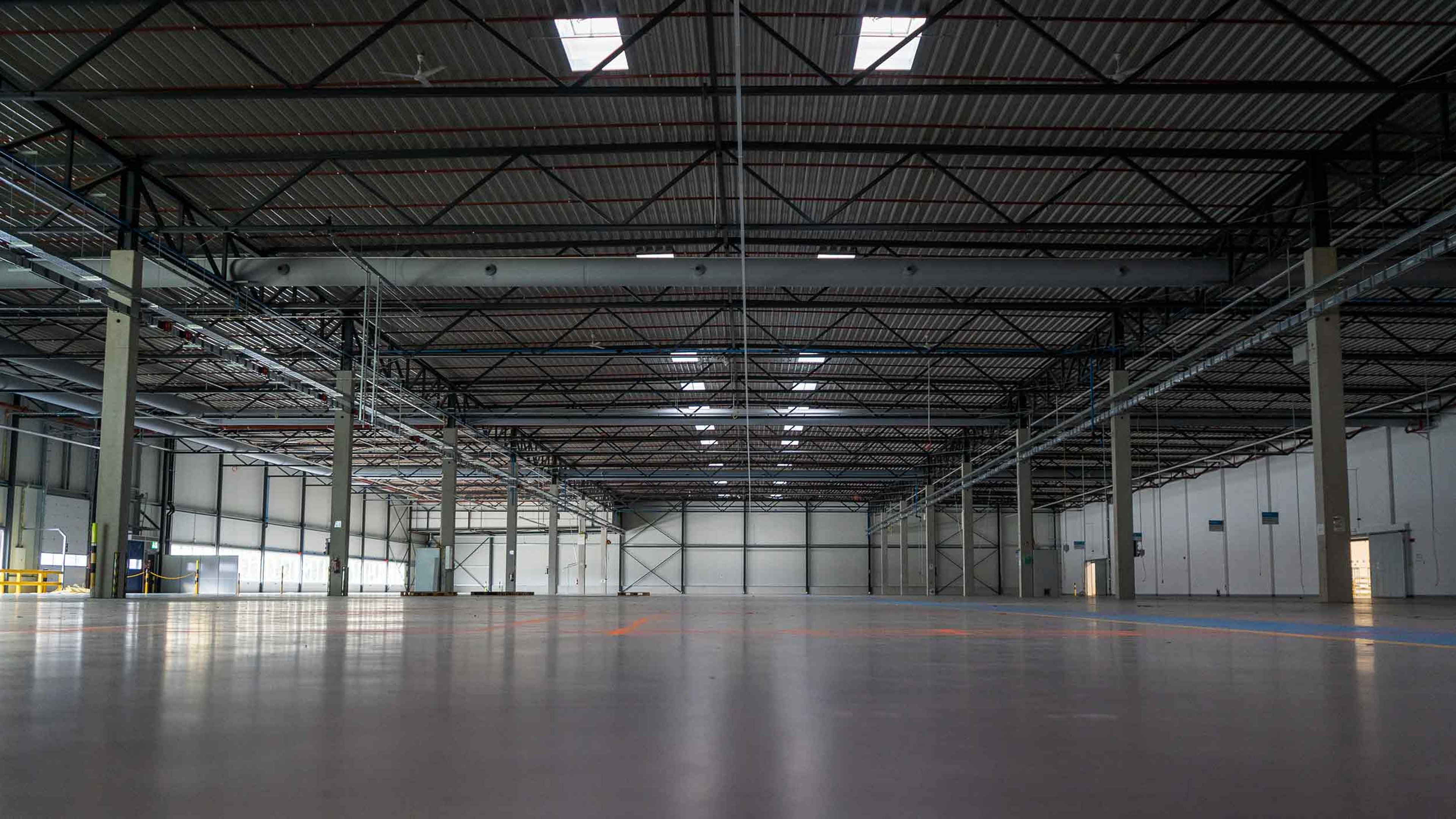
New chip technologies don’t scale on breakthroughs alone, they scale on manufacturability. That is why Black Semiconductor is establishing FabONE in Aachen, Germany: a production-ready pilot line that bridges R&D and full-scale fabrication. Exyte as the EPC partner contributes the engineering and project delivery capabilities needed to bring the technology out of the lab into a functioning reality. The project is a milestone for both partners and can be a piece of the puzzle in Europe’s semiconductor renaissance.
A new chapter for a new technology
Graphene‑based photonic chips use light instead of electrical signals to move information around a chip. Light can move data with lower energy consumption and less heat than electrical currents, which is a major advantage when scaling to higher performance. Black Semiconductor’s approach uses 300‑millimeter wafers, the same size used in advanced semiconductor factories (often called fabs), which allows the technology to scale in ways earlier photonics concepts could not.

Engineers in Black Semiconductor’s cleanroom prepare processes for next‑generation graphene photonics.
Black Semiconductor plans to operate as an Integrated Device Manufacturer (IDM) in the early stages, producing its own integrated graphene photonics (IGP) chips while proving the technology at pilotline scale. Black Semiconductor IGP™ technology is being integrated on the manufacturing level, making future integration with exiting fabs more feasible.
To turn this idea into a manufacturable reality, the company needs a facility that sits between research and development (R&D) and full‑scale fabrication. In other words, a pilot line, able to test and adjust processes, and ultimately prepare for higher industrial output. FabONE is that step. Pilot lines like this are designed to prove process stability and repeatability before scaling high-volume manufacturing.

Daniel Schall, CEO of Black Semiconductor
Exyte’s role in a pivotal moment
“Exyte is exactly the right engineering and construction partner to get FabONE’s cleanroom and facilities ready, by means of timeliness and high‑quality industry standards. Partnering with Exyte shows we can keep our continued commitment to bring a new manufacturing site for integrated photonic‑electronics,” says Daniel Schall, Co‑founder and CEO of Black Semiconductor.
For Black Semiconductor, this collaboration is not just about executing the current phase of work. Exyte understands their expectations and long‑term plans, which reduces coordination effort and supports steady progress as the pilot line takes shape. This way of working saves time and builds trust, two elements Black Semiconductor sees as essential for future success.
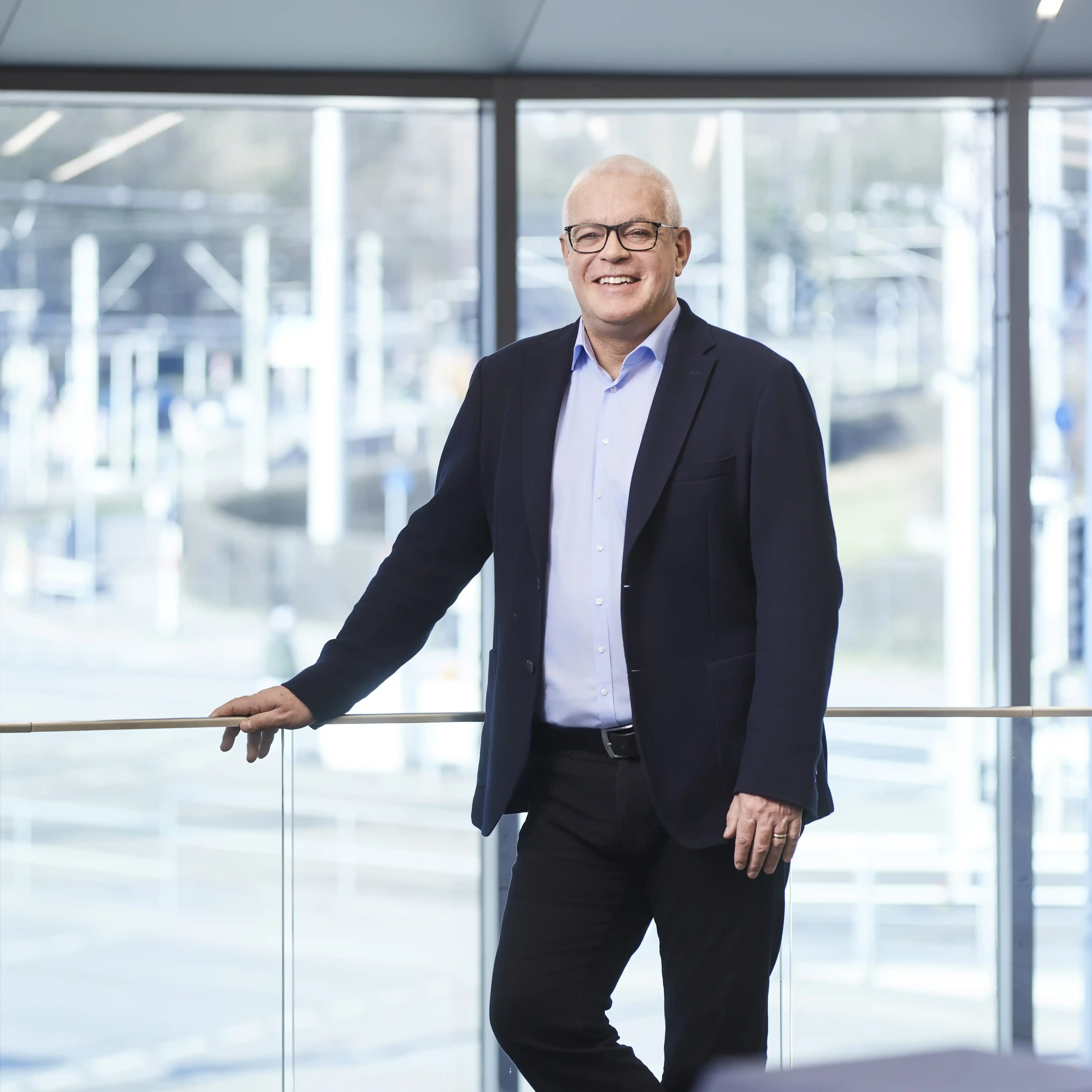
Michael Rodd, Vice President Business Acquisition Advanced Technology Facilities Continental Europe
“For us, this is fundamental semiconductor work: creating a cleanroom and the supporting systems around it,” he says. “What makes it special is the client. Black Semiconductor is at a key stage in its development, and it’s exciting to support a team that is bringing a new technology into production.”
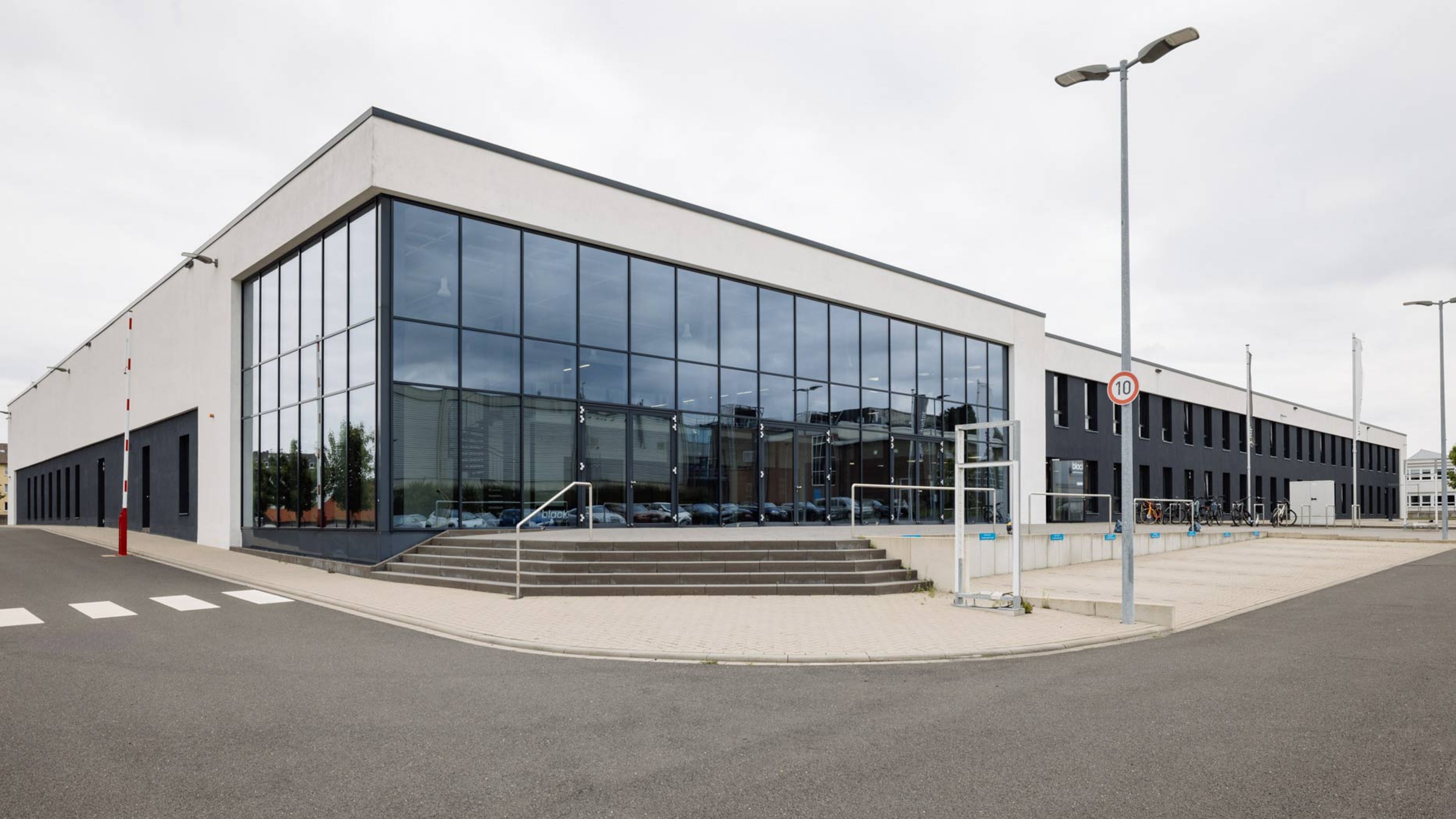
The existing building is being transformed to house a modern cleanroom.
Adapting an existing building for semiconductor manufacturing
Keeping the original building saves time, but it also creates constraints. Every cleanroom and utility function must fit inside a fixed structure. The cleanroom becomes a “box within a box” built to current requirements, with enough flexibility to adjust processes later if the technology evolves. While the building was originally intended for a different purpose, it now provides the framework on which the semiconductor requirements are added.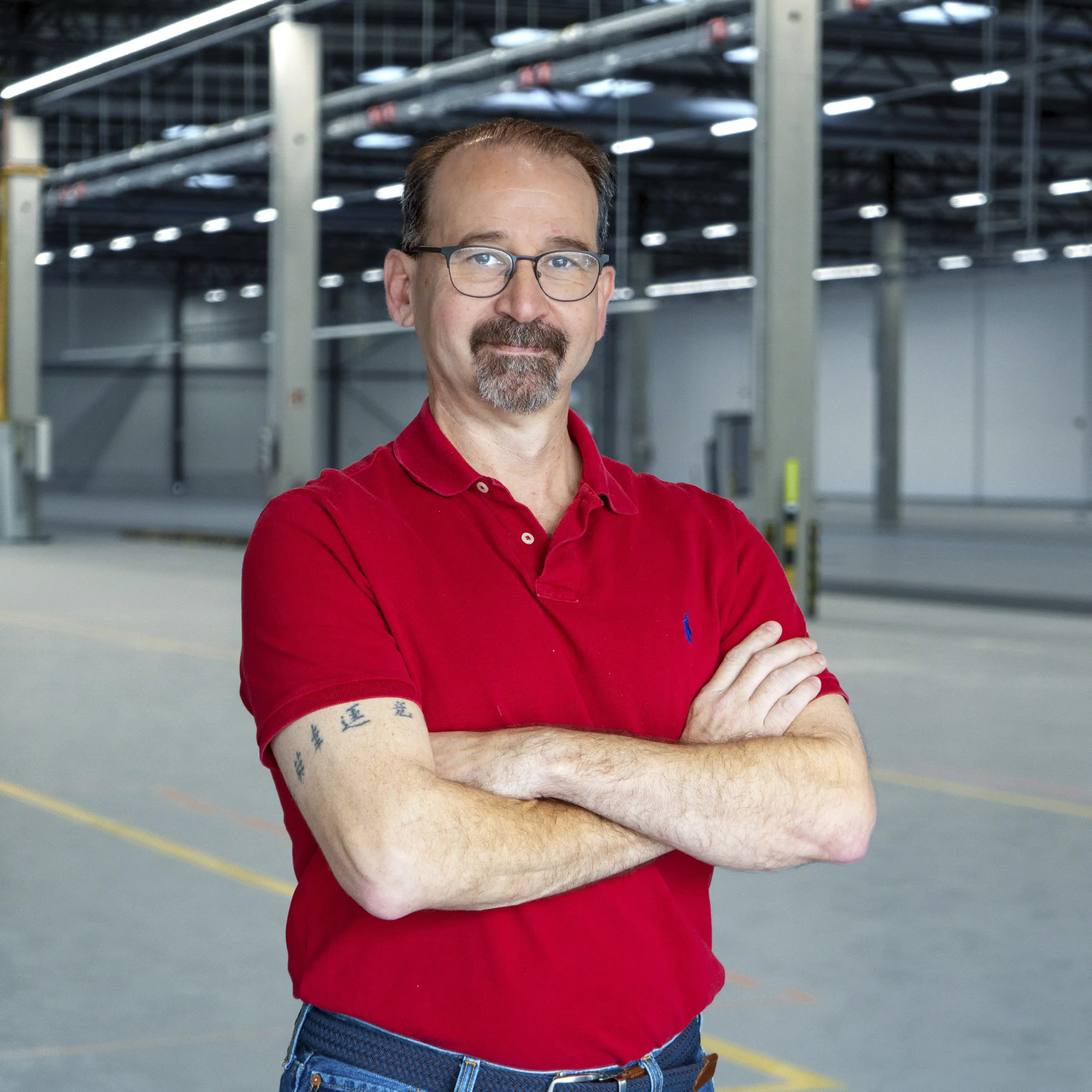
Cris Barangan, Equipment Engineer at Black Semiconductor
Black Semiconductor also sets ambitious sustainability goals. Barangan highlights one example: “A typical facility uses around 300 to 400 liters of water per wafer. For FabONE we are targeting about 100 liters. We set these high standards for ourselves and a partner like Exyte is fully on board to support us in achieving it.”
As the city of Aachen is building its semiconductor ecosystem, and the project involves close cooperation with local authorities, Exyte shares templates and best practices from other fabs in Europe on topics such as building permits, handling of gases and chemicals, and the treatment of waste streams. This guidance supports the approval process and gives all parties confidence in the approach.
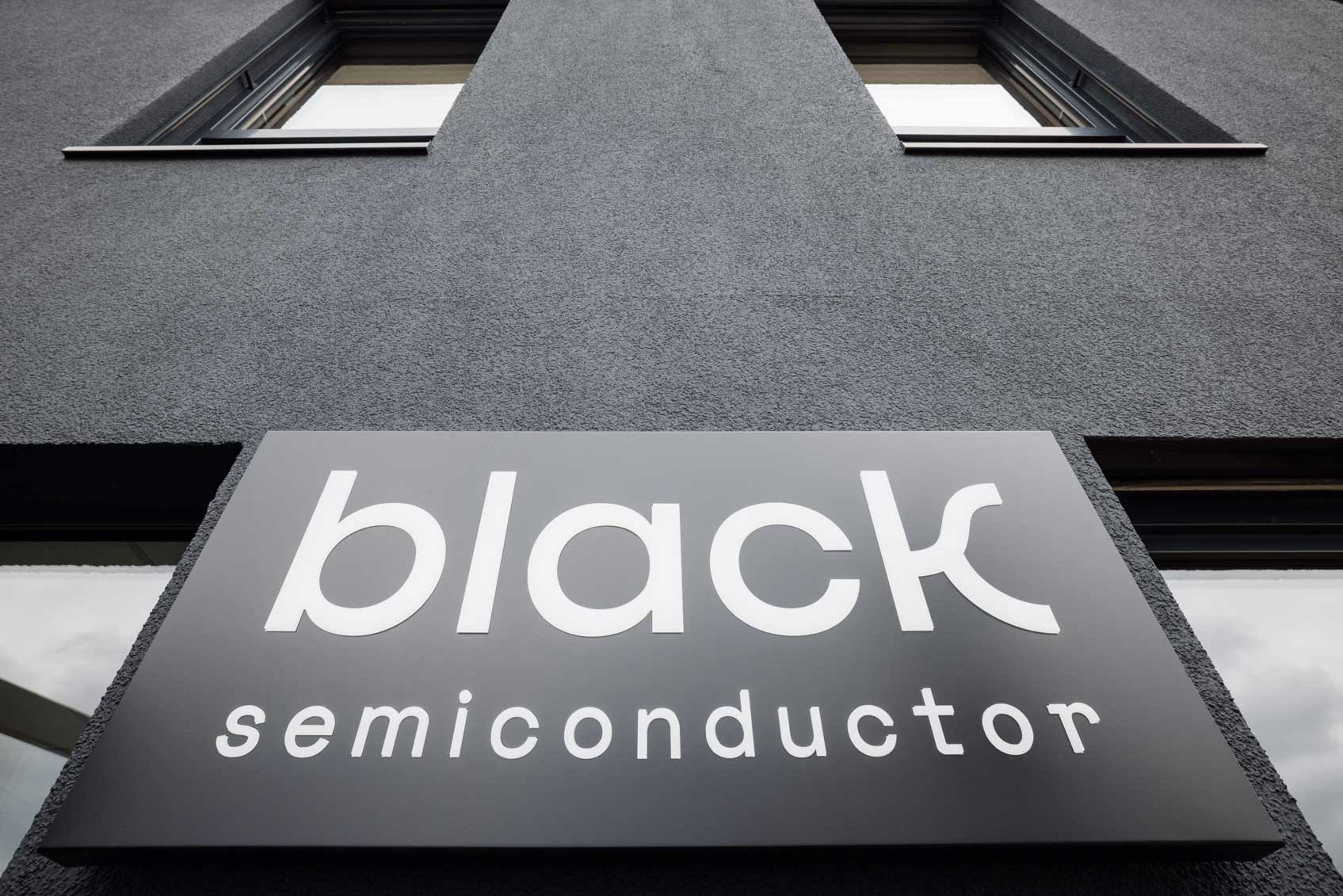
FabONE becomes the site where Black Semiconductor scales its technology to targeted full production in 2031.
Why this partnership matters
The pilot line is expected to support early wafer output in 2027. Once equipment is installed, Exyte will remain involved to connect the tools to the facility systems and verify their performance before pilot production begins and processes are stabilized; by 2029 the facility enters volume ramp‑up, with full production targeted for 2031.
FabONE is also the place where Black Semiconductor begins to scale its technology “lab to fab”. “FabONE will be the landmark where, for the first time, electronics and photonics can be produced in one production flow,” says Schall.
FabONE is a place where an emerging idea meets engineering expertise and begins its journey toward industrial scale through a production-ready pilot line.
.jpg?w=3840)
Exentec: integrating technology and services for complex facilities
High‑tech facilities are becoming more complex, while clients expect faster delivery, clearer responsibilities, and predictable outcomes. Exentec brings together engineering, manufacturing, installation, and lifecycle services into a single, integrated offering that complements Exyte’s EPC expertise. Exentec unifies technologies and services under one brand and supports semiconductor fabs, life sciences plants, and data centers from construction through operation.

Across high‑tech manufacturing, data infrastructure and life sciences, Exyte works at the point where ideas meet reality. Engineering what’s next means translating emerging technologies into environments that operate reliably and adapt to changing requirements. It is about creating solutions that are ready for what clients need now, and resilient enough for what they will need tomorrow.