
Gavin Thornton, Enterprise Architect - EPC
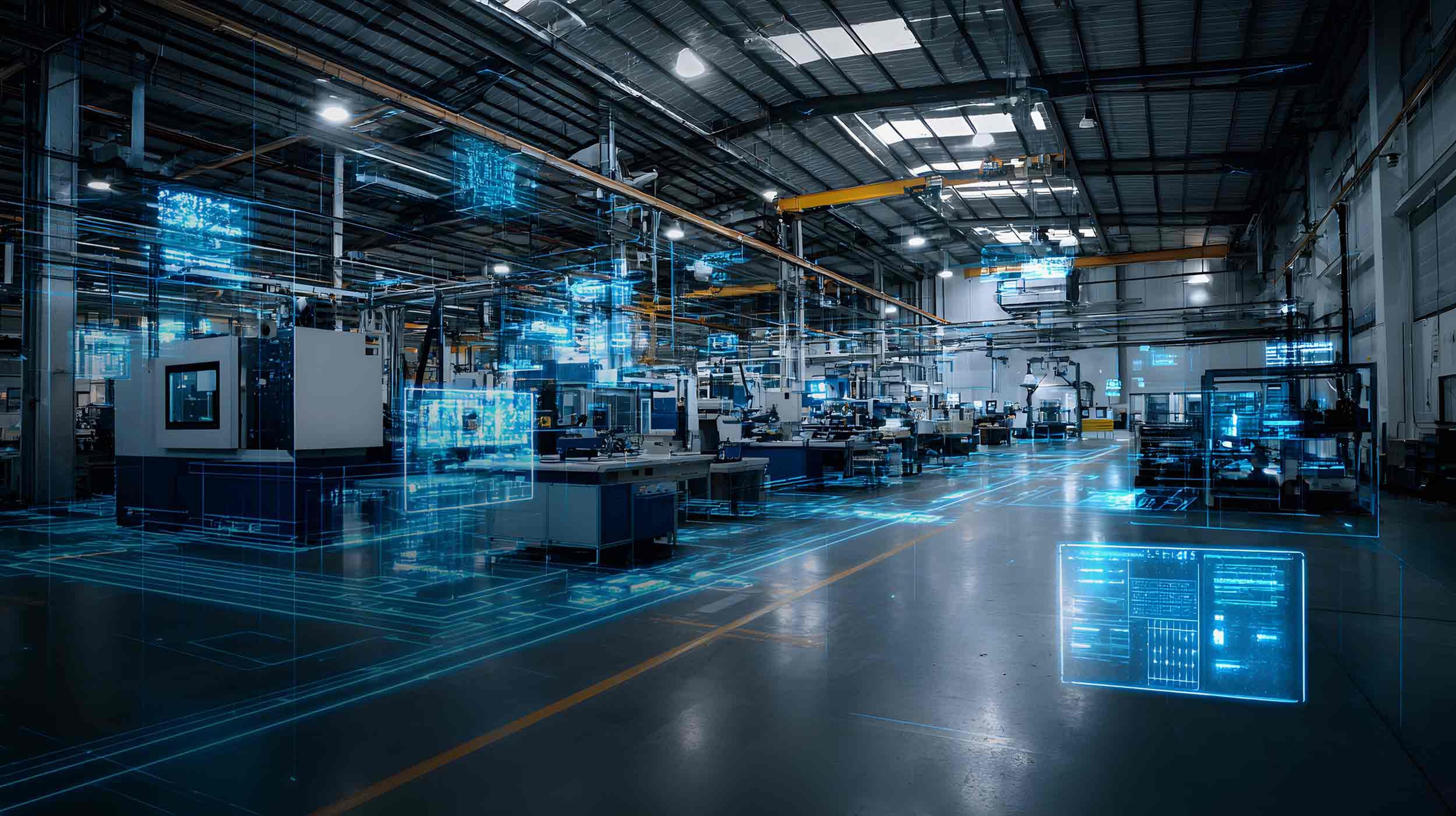
At the center of this transformation is Exyte’s evolving engineering, procurement, and construction (EPC) platform, a long‑term initiative that replaces fragmented local setups of tools and the manual data transfers around them with one connected, enterprise‑wide environment. Together with the oneData initiative, which organizes data and information across systems, it forms the digital backbone that allows information to move reliably from engineering to design to construction.
“The aim is to create one connected environment where information flows without manual effort,” says Gavin Thornton, Enterprise Architect - EPC. “It gives teams a consistent view of what they are working with, no matter which system they use.”
With structured and consistently managed information available across the lifecycle, artificial intelligence (AI) can be applied in a practical and targeted way. AI solutions can support automated model checks, identify deviations earlier in the design process and highlight potential coordination risks before they affect construction. Rather than replacing engineering expertise, these capabilities help teams focus on decision-making and value creation instead of manual validation and data reconciliation.
The data backbone: how information stays consistent across a project
To understand how this digital backbone works, it helps to follow a single piece of project information. “When an engineer specifies a piece of equipment, the information begins in the design tool, for instance in a piping model or a process diagram. Instead of being copied into separate spreadsheets, the data moves automatically into the shared project environment,” Thornton explains. “From there it becomes part of the procurement views, appears in construction dashboards and forms part of the checks carried out during commissioning on site.” Every team works with the same information, which removes a lot of manual coordination and reduces the risk of inconsistencies later in the project.On site, the same structured information supports construction coordination, progress tracking and quality verification. Digital models can be compared with reality capture data to confirm installation accuracy, while field teams access consistent equipment and specification data directly from the shared environment. This continuity ensures that handover documentation and as-built information are prepared progressively throughout the project, forming a reliable basis for future operations or digital twin initiatives.

Aritra Kar, Vice President IT Enterprise Architecture & Digitalization
”Consistent data also depends on shared rules and governance structures. We are building a common way of defining and organizing information so that tools connect cleanly, and teams understand what they are working with. This ensures that information can move reliably across the project lifecycle,” says Aritra Kar, Vice President Vice President IT Enterprise Architecture & Digitalization

Samit Bahinipati, Expert Enterprise Architecture Data
Creating a reliable data foundation
The platform itself is only one side of the story; the data that flows through it needs the same level of structure, as Expert Enterprise Architecture Data, Samit Bahinipati explains. Project information has long been generated across a range of systems that support engineering, scheduling, procurement, and construction. “Teams are always used to work with the data available to them,” Bahinipati says. “But because the systems did not always use the same terminology, combining information took time and often slowed down decision‑making.” This was manageable in smaller projects, but less practical as projects grew larger and more time‑sensitive.
To improve this, Exyte is building oneData, a company‑wide way of organizing information that works hand in hand with the EPC platform. It introduces a common structure so that data created in one system can be understood and used in another. It follows the F.A.I.R.T principles, which help make information retreivable, accessible, interoperable, reusable and trusted. This consistency is essential for any advanced use of artificial intelligence, because AI systems depend on reliable data. “Each system keeps ownership of its original information, and oneData links these sources, arranges the information and makes it usable across the project,” Bahinipati explains.
Engineering the future, one step at a time
These developments, from the EPC platform and oneData to the AI applications already supporting day‑to‑day work, form a digital backbone that helps projects run with greater clarity and fewer manual steps. By linking engineering tools with a shared way of organizing project information, Exyte is creating an environment where data supports decisions at the right moment. As Kar puts it, “The foundation being laid today will make it possible to integrate AI and automation in a way that reduces complexity and supports clearer, more predictable outcomes.”


AI-supported HR platform
AI-supported HR platform
An AI-supported platform supports recruitment by helping teams review applications and keep communication with candidates moving. “MyGrowth” is used by hiring managers and HR teams to maintain a steady process. Candidates benefit from shorter waiting times. The platform is also used internally to enable employees to visualize their aspired career path and discover skills they need to develop to achieve their career goals.
Digital handover and digital twins
Digital handover and digital twins
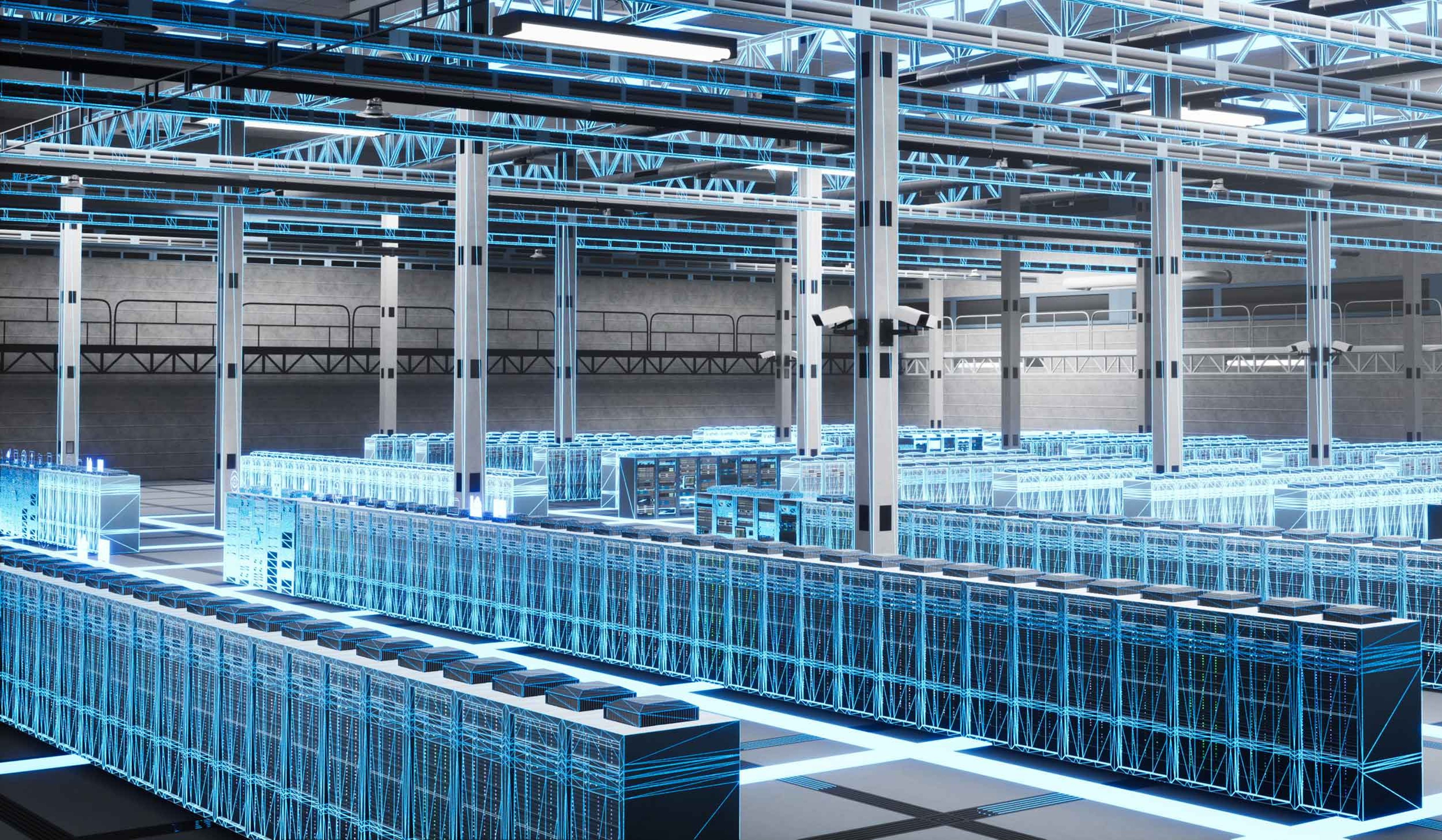
Digital handover means that information created during design and construction is delivered to the client in a lifecycle‑ready digital format. Instead of collecting documents at the end, data is prepared progressively for accuracy and traceability. In some projects, this supports a digital twin, a representation of the facility connected to operational systems and live data, supporting training, maintenance, monitoring or scenario analysis.
Microsoft Copilot
Microsoft Copilot
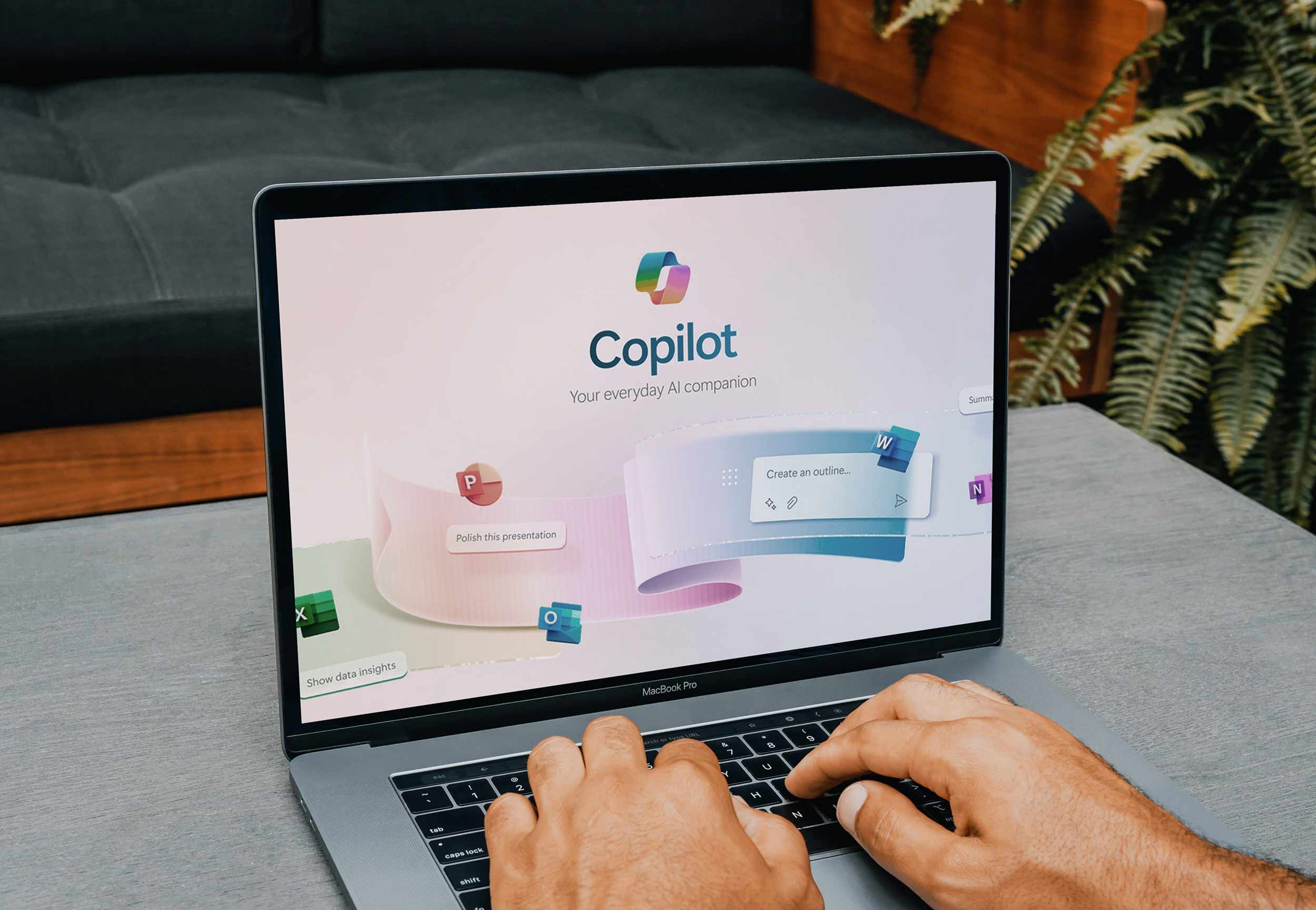
Copilot is an AI assistant that helps Exyte colleagues prepare documents and carry out routine administrative steps more quickly. It is used across many functions and reduces time spent on repetitive work. Employees benefit by being able to focus more on technical or project‑specific tasks.

RiskWise
RiskWise
RiskWise is an AI‑native application that is currently being developed and will screen supply‑chain information for signals that could indicate upcoming disruption. Procurement teams will use it to address issues earlier and plan alternatives with more certainty. The Exyte team that created the prototype for it had won the “Best Overall AI Agent” award at the Microsoft AI Agent Hackathon 2025 out of 570 global submissions.

Engineered by Exyte, lived by everyone
From online gaming and real-time translation to electric mobility and life-saving medicine, Exyte’s work shows up in everyday moments, often without being noticed. This story follows the people behind the facilities that make these technologies possible, and the infrastructure that keeps the modern world running in the background. It is a look at impact you can feel, even when you cannot see it.
Across high‑tech manufacturing, data infrastructure and life sciences, Exyte works at the point where ideas meet reality. Engineering what’s next means translating emerging technologies into environments that operate reliably and adapt to changing requirements. It is about creating solutions that are ready for what clients need now, and resilient enough for what they will need tomorrow.