Safety and mental health insights from Exyte projects in North‑East Asia
Safety and mental health insights from Exyte projects in North‑East Asia
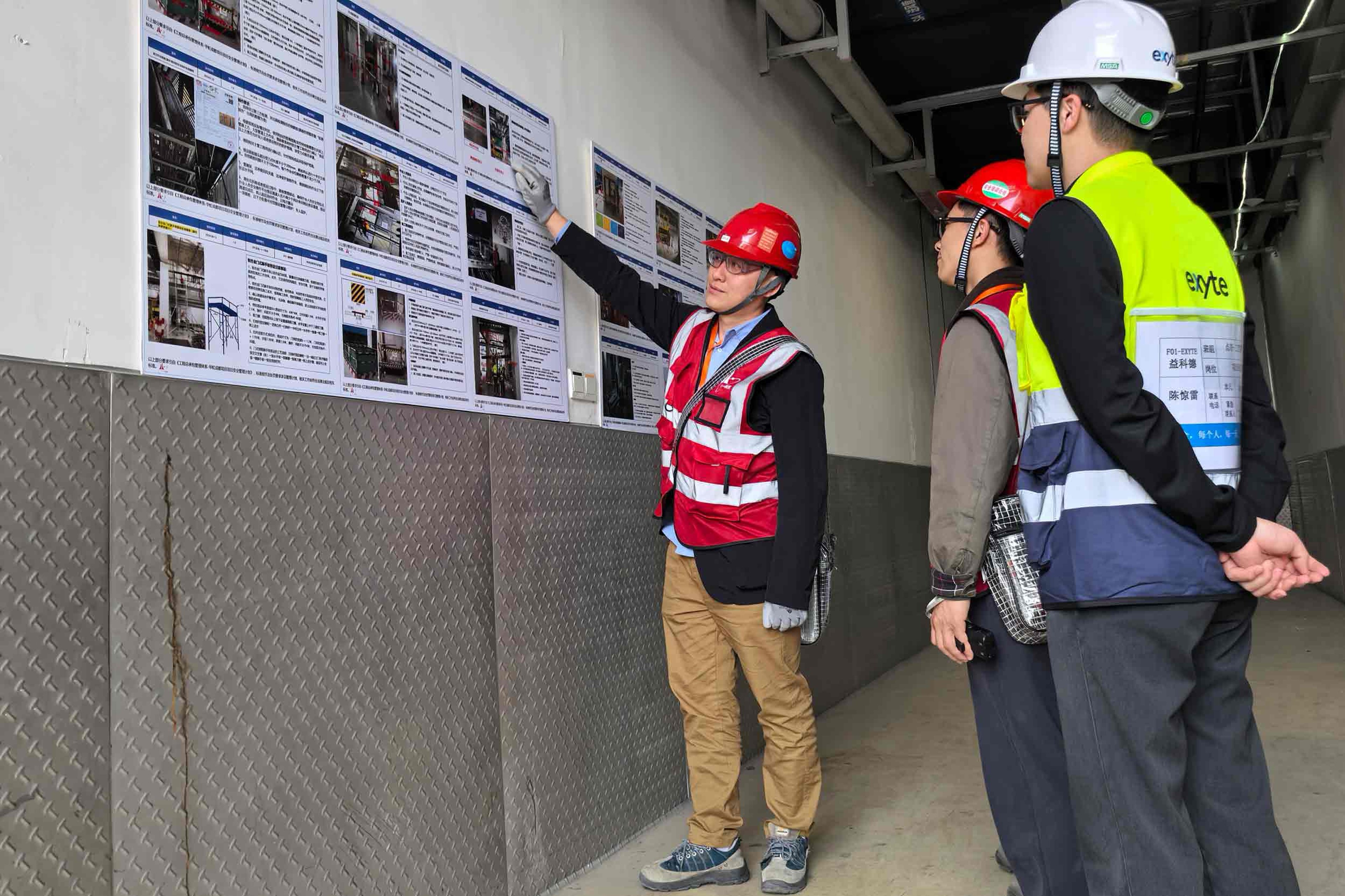
For World Day for Safety and Health at Work, Exyte is placing a spotlight on the North‑East Asia region. The reason is clear: the region consistently demonstrates one of the strongest safety performances across Exyte’s global operations. Rather than taking this record for granted, project teams in North‑East Asia continue to reflect on what makes safety work, and where hidden risks can still emerge.
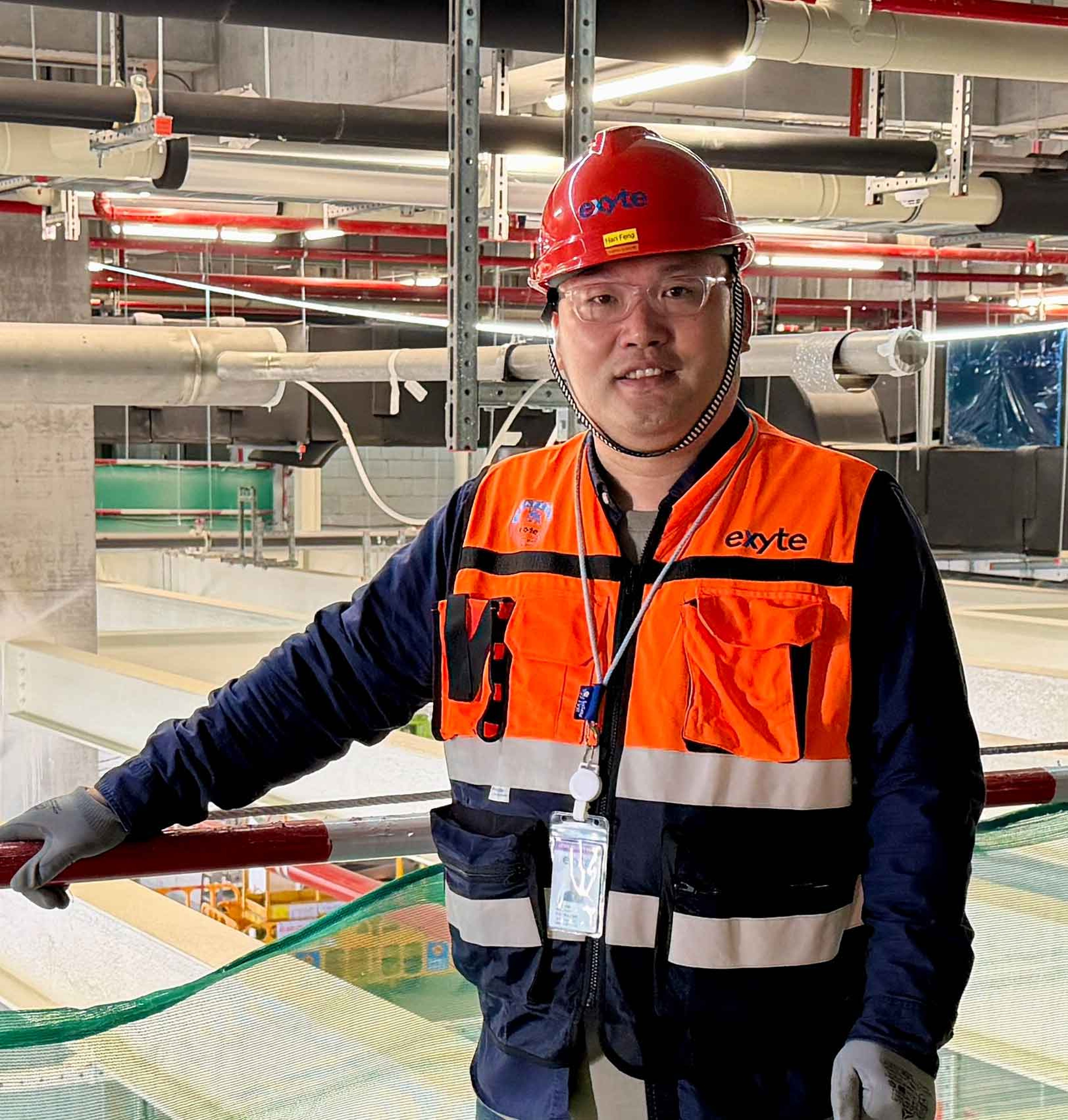
Han Feng, Safety Engineer
The first safety gate is always people
Han Feng works as a Safety Engineer in Exyte’s EHS (Environment, Health, and Safety) department and has spent 17 years on project sites. He is currently supporting a pharmaceutical facility project, where he is responsible for safety training and on‑site supervision. Over the years, his understanding of safety has shifted from a checklist‑driven approach to a much broader view centered on people.
“Safety training is not a formality,” Han Feng explains. “It is the first gate before anyone enters the site, and the first gate of safety itself.” Beyond technical knowledge and test results, he closely observes the mental condition and reaction capability of new workers. These observations, combined with formal assessments, help determine whether someone is prepared to work safely on site.
For Han Feng, this is why the EHS role must go beyond enforcement. Observing people’s condition, listening to concerns, and offering support are essential parts of daily work. His conclusion is straightforward: “People are the biggest source of risk. By focusing on people, you address the most critical safety risks.”
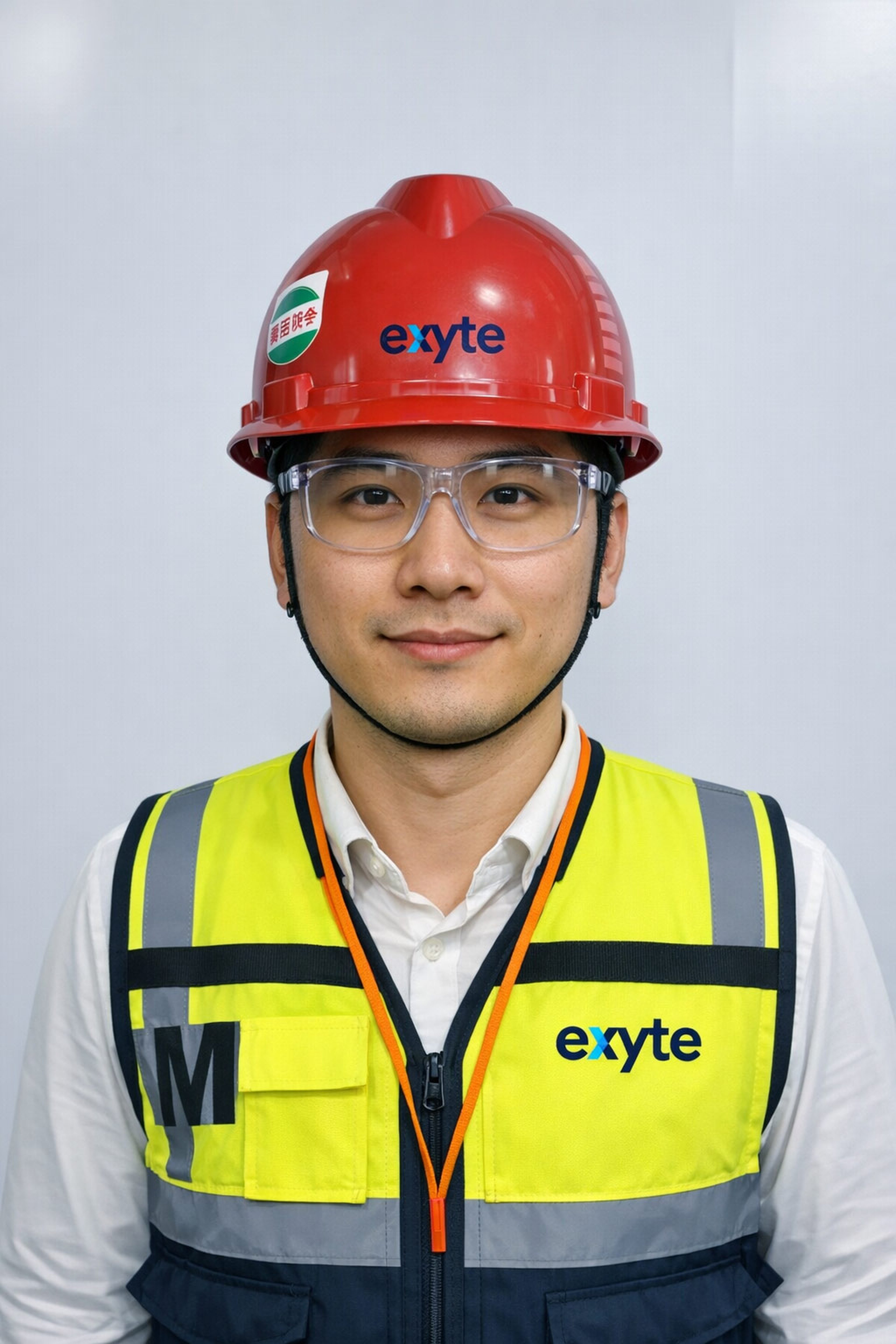
He Yuanhai, On‑site Safety Manager
Don’t let today’s shortcuts become tomorrow’s regrets
He Yuanhai, ten years at Exyte and responsible for on‑site safety management at a semiconductor fab renovation, says: “Legacy equipment and facilities from former plants often involve unknown risks. These are the situations that require the highest level of attention.” Alongside technical challenges, he highlights non‑physical risks such as cognitive bias and complacency. “When people are under pressure, fatigued, or emotionally affected, their ability to execute safety requirements is directly weakened,” he says.
He Yuanhai advocates for a supportive and trust‑based approach. “Safety conversations should not revolve around constant accountability,” he explains, “but around care.” Reflecting on his experiences, he defines safety as “the most important line of defense that ensures everyone can return home to their families,” and reminds colleagues: “Don’t let today’s shortcuts become tomorrow’s regrets.”
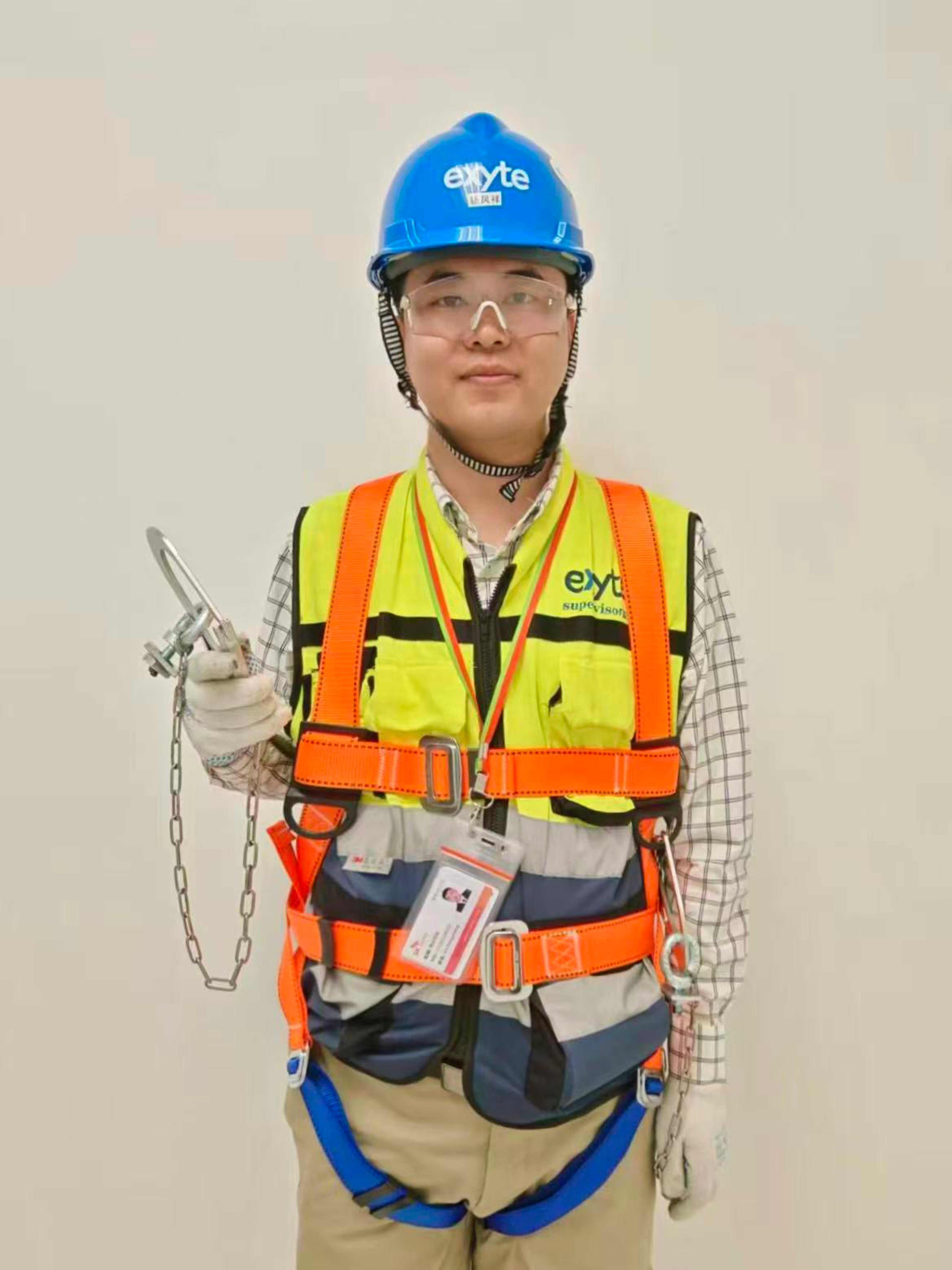
Jin Fengxiang, Safety Supervisor
Managing safety in a live production environment
Jin Fengxiang works as a Safety Supervisor at Exyte and has ten years of experience in safety roles. He supports high‑tech facility projects, often in fully operating semiconductor fabs where equipment runs continuously, and production lines never stop.
“Our challenge is to ensure safety without interrupting operations,” he explains. His work focuses on equipment removal, installation, upgrades, and emergency maintenance carried out directly next to live production lines. In this environment, even a small mistake can affect people and production at the same time.
Jin Fengxiang pays particular attention to routine activities that carry hidden risks. “What is truly dangerous is not the work everyone knows is risky,” he says, “but the step that gets skipped when people are rushing.” Complacency, combined with fatigue or emotional stress, can quickly amplify risk.
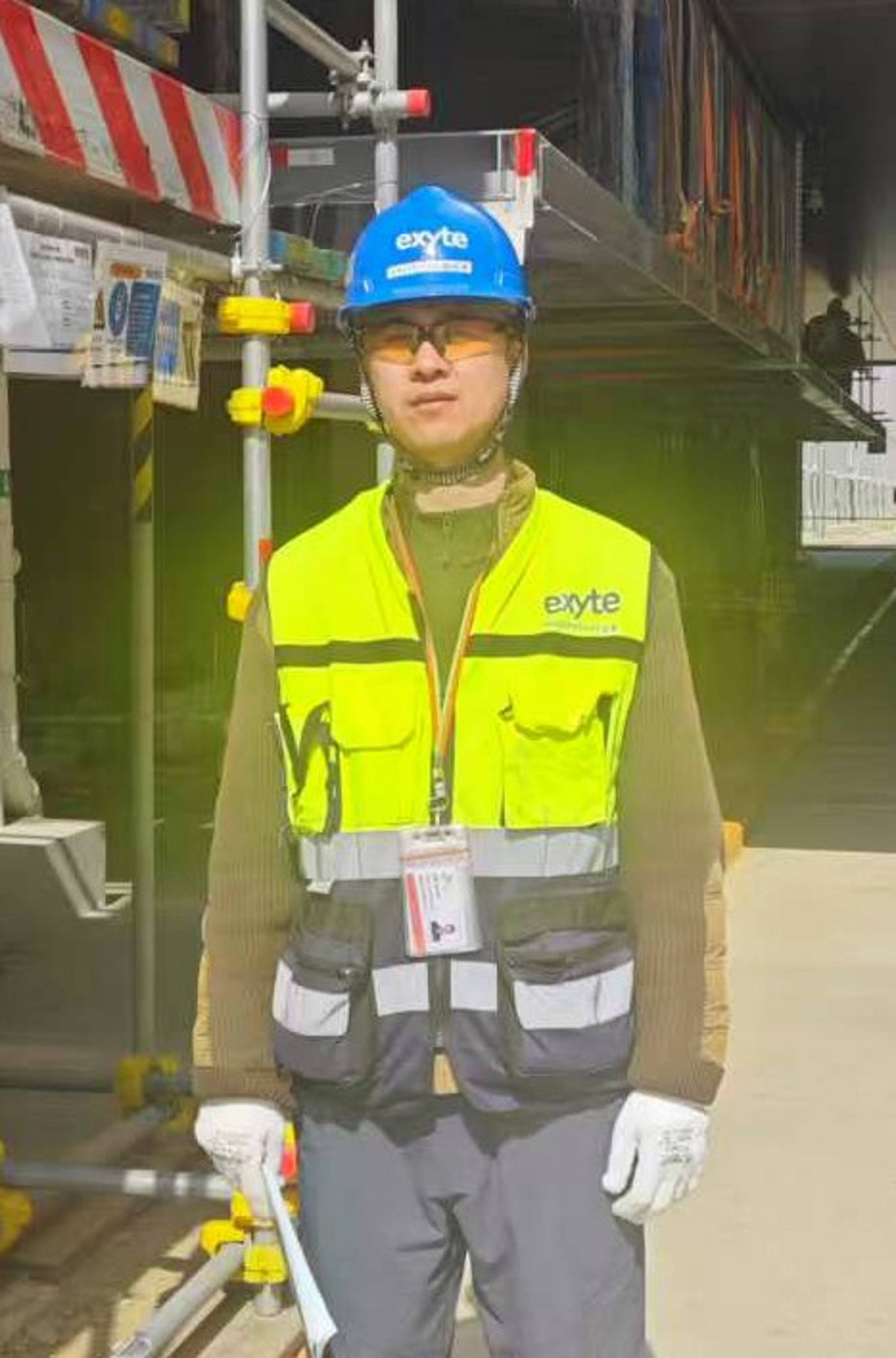
Xie Weikun, EHS Engineer
What safety really depends on is people’s condition
Xie Weikun has been with Exyte for nine years and works as an EHS Engineer, responsible for on‑site safety management on semiconductor manufacturing projects. Much of his work takes place in operating factories, where maintenance and installation activities are performed on existing systems.
“Many risks don’t come from unclear procedures,” he observes. “They come from people not being in the right condition. Fatigue and emotional stress can weaken safety awareness.”
A wiring incident several years ago illustrates this point. An electrician completed work while distracted, resulting in incorrect wiring and tools left inside an electrical cabinet. Later, it emerged that family issues had affected his focus. “Procedures, equipment, and the environment are objective safety conditions,” Xie explains. “But ultimately, safety depends on people’s mental state and behavior.”
When someone is not in the right condition, his approach is to communicate privately and show care before enforcing rules. “It’s not that I don’t want you to do the job,” he says. “I’m worried someone might get hurt. When you’re safe, everyone is safe.”
Choosing the safe road
Across different project conditions, these experiences point to a shared understanding: safety is not only about visible hazards and technical controls. It is also about mental health; about seeing people, understanding their condition, and recognizing when fatigue, stress, or emotional strain can quietly increase risk.
By highlighting experiences from China, this year’s World Day for Safety and Health at Work serves as both recognition and reminder. Strong safety performance is sustained not only through systems and procedures, but through continuous attention to mental wellbeing, open communication, and the courage to pause work when something does not feel right. This is how teams protect one another, and ensure everyone can return home safely.
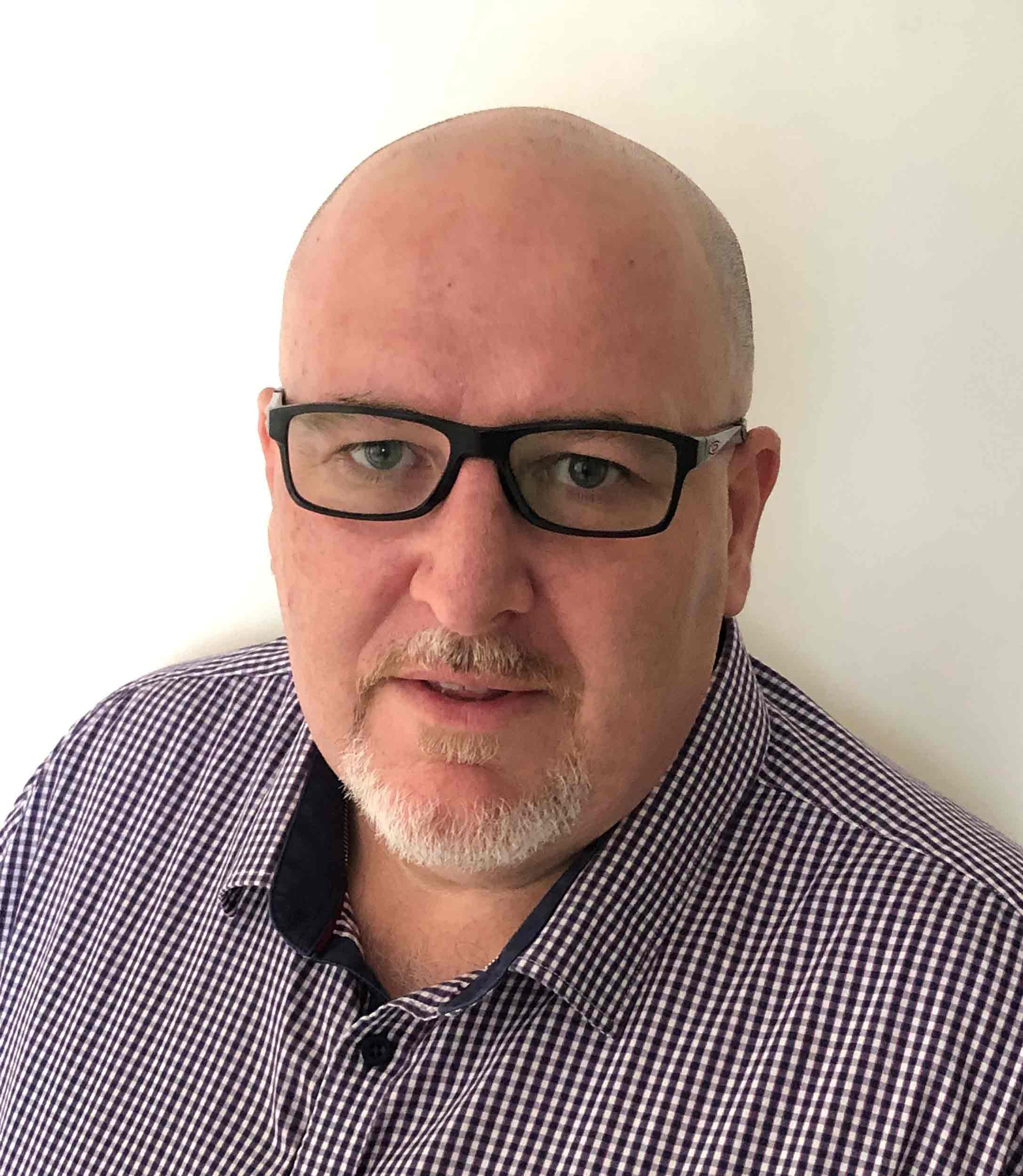
How mental well‑being strengthens everyday safety – Five questions to Julian Weir, VP EHS
Not only on World Day for Safety and Health at Work on April 28, Exyte turns the spotlight on physical safety and the role of mental well-being in daily work. Mental health influences how people navigate uncertainty, make decisions and stay connected with their environment. To underline this, Julian Weir, Vice President Corporate EHS, shares his thoughts in a Q&A on how simple, everyday actions can support balance and well‑being.