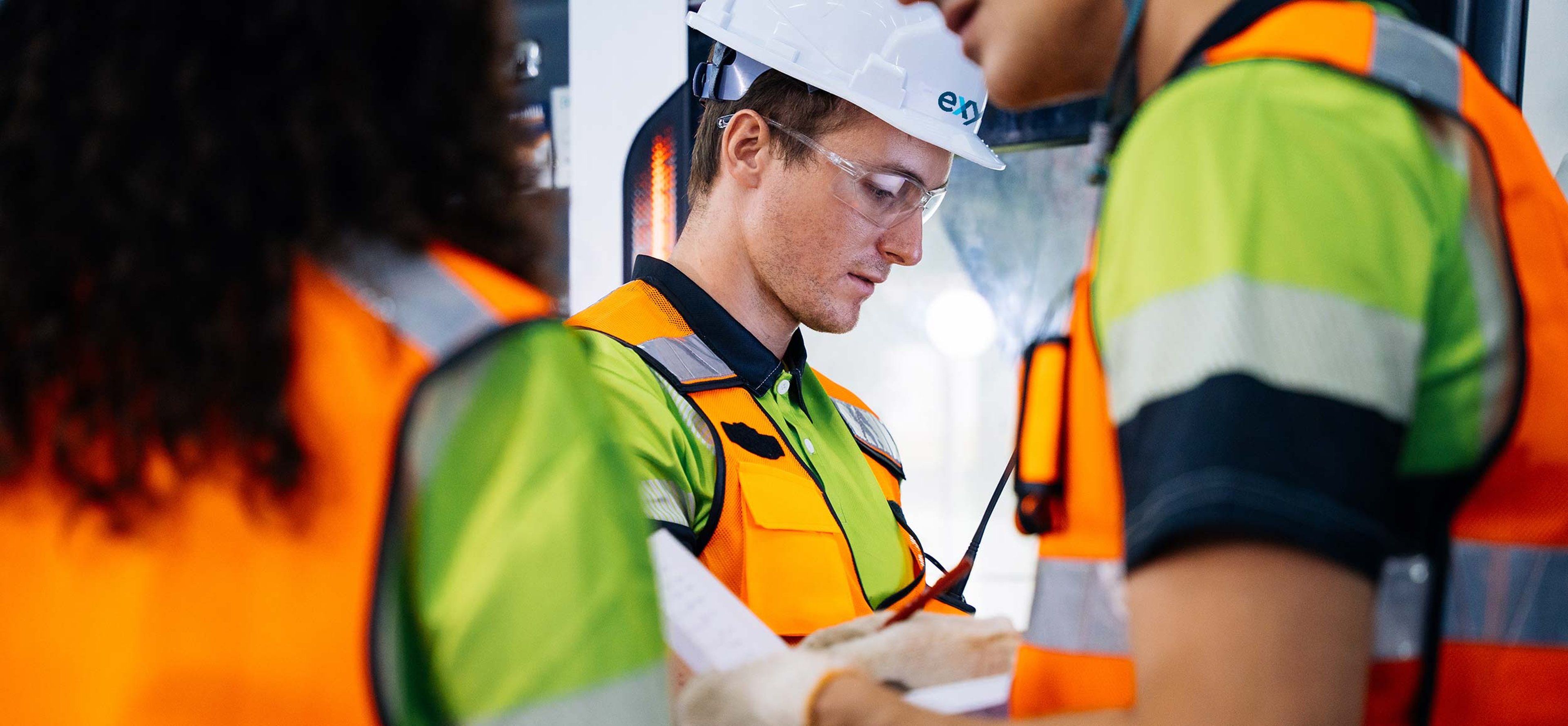
Mental health influences how people navigate uncertainty, make decisions and stay connected with their environment. To underline this, Julian Weir, Vice President Corporate EHS, shares his thoughts in a Q&A on how simple, everyday actions can support balance and well‑being.
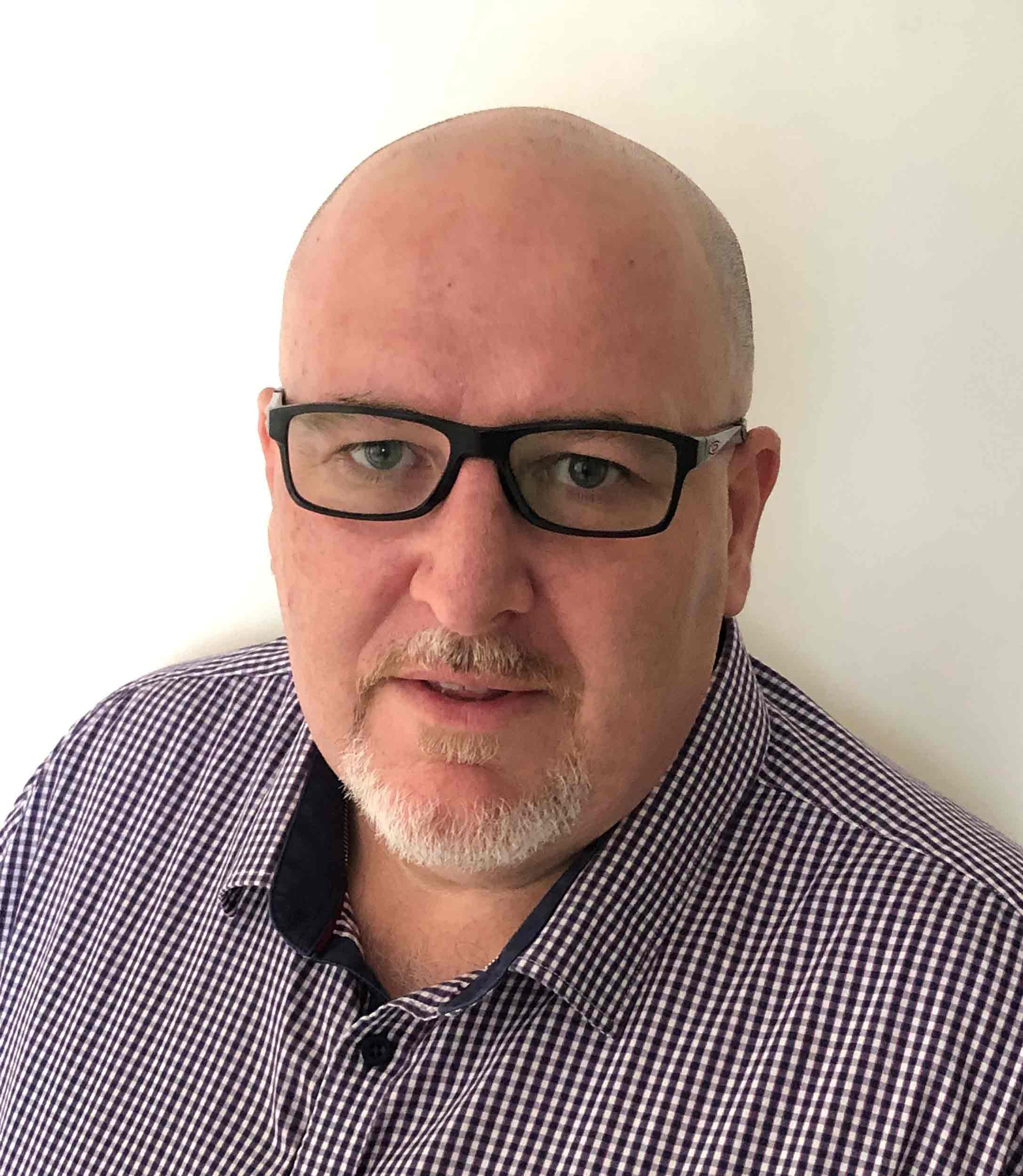
Julian Weir, Vice President Environment, Health, and Safety (EHS)
Why talk about mental health in the context of workplace safety?
Julian Weir: Daily life currently holds a lot of uncertainty, influenced by global developments in the economy, technology, and wider society. As uncertainty increases, so does the strain on our mental wellbeing. In the workplace and in our home lives, one in four of us at some point during our working lives will experience mental health issues. Recognizing this helps people understand that emotional well‑being is closely connected to how safely and confidently they can work.
What is the first step people can take for their own well‑being?
Check in with yourself. Have that conversation. Am I ok? Am I still in control? Can I slow down and calm myself? It’s completely ok not to be ok. And it is ok to reach out and get some assistance. A short moment of reflection can signal that it’s time to slow down, seek support or take a break. Early reflection on one’s own patterns is not a sign of weakness, but a sign of personal responsibility.
Breaks give your mind room to recover. When schedules become demanding, those moments away help maintain energy and focus, making it easier to handle responsibilities without feeling overwhelmed. Being intentional with your breaks and your time away from work allows your body and your mind to reset. Short, intentional pauses can bring back clarity and reduce strain.
What does it mean to protect your boundaries?
Setting boundaries is a way to maintain balance. It helps ensure you have the space needed to manage workload, rest when necessary and stay grounded, especially during periods of high pressure. My call to action to everyone reading this is: Protect your boundaries. Understand your own boundaries. And protect them and prioritize your own well‑being. Knowing personal limits helps maintain balance during busy periods.
What should someone do if they are worried about a colleague?
If you notice or you are concerned about one of your colleagues, check in privately. Connect them to support either through one of the many mental health first aiders across Exyte or via our EAP services available across the regions. Let’s take care of each other early and consistently. A single check‑in can be a meaningful step for someone who may be struggling.
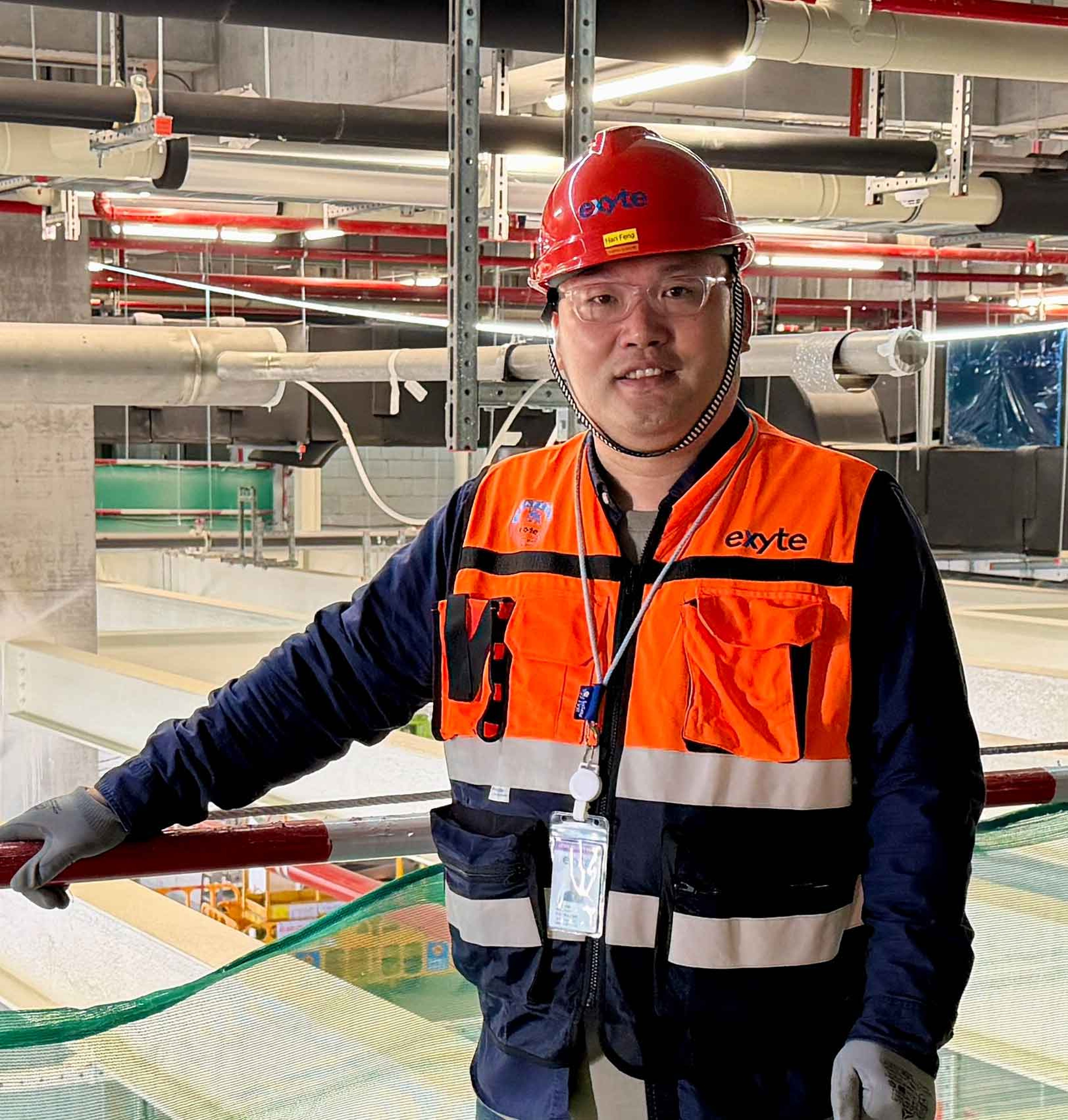
Safety and mental health insights from Exyte projects in North‑East Asia
For World Day for Safety and Health at Work, Exyte is placing a spotlight on the North‑East Asia region. The reason is clear: the region consistently demonstrates one of the strongest safety performances across Exyte’s global operations. Rather than taking this record for granted, project teams in North‑East Asia continue to reflect on what makes safety work, and where hidden risks can still emerge.