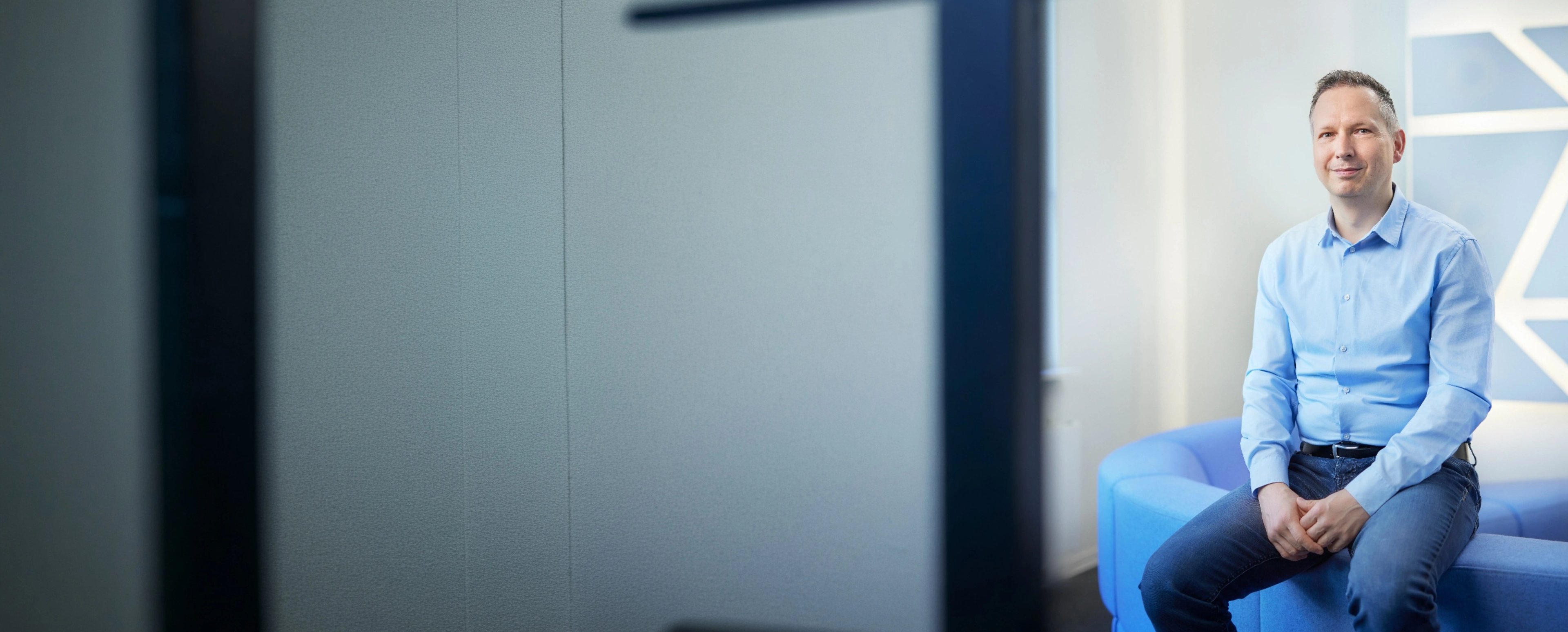
Our early memories and formative years help define who we are. For Eric Spaete, video games and programming have been a part of his life for as long as he can remember. Growing up in 1980s East Germany, isolated behind the Berlin Wall dividing the communist east from West Germany, access to the latest technology was somewhat of a rare commodity. But where there is a will, there is a way, especially for a curious teenager with a knack for computers. “We programmed our own small games on whatever hardware we could get our hands on,” Spaete recalls. “That is really where it all started for me.”
Fast forward several decades, and Spaete’s early fascination has evolved into a lifelong hobby as a gamer, and, interestingly, a professional advantage. Starting out in gaming industry sales in the 1990s, he has spent the last seventeen years at Exyte, across a variety of roles within business development and sales. Now, he works as a Senior Sales Funnel Manager for Exyte’s Global Business Unit Data Centers in Continental Europe
It is here that two worlds collide. Modern gaming depends entirely on high-performance data centers, the same type of facilities Exyte helps engineer and deliver for some of the world’s most influential technology companies. Online multiplayer worlds, streaming platforms, cloud gaming services, and vast digital libraries all rely on low-latency connectivity and massive server infrastructures. “People don’t realize how much technology sits behind a simple game,” Spaete says. “Every download or every streamed game is running through a data center.”
The industry has transformed rapidly and grown into a multibillion-dollar ecosystem. Spaete has watched that evolution from both sides as a player, and as someone helping shape the future of the infrastructure powering it. “I get to be part of the story behind the worlds I play in. I have seen gaming change in ways I could have never imagined. You can download at speeds and in sizes I never thought possible and interact with people from all around the world as if they were sitting next to you. Knowing Exyte contributes to that future makes it even more exciting.”
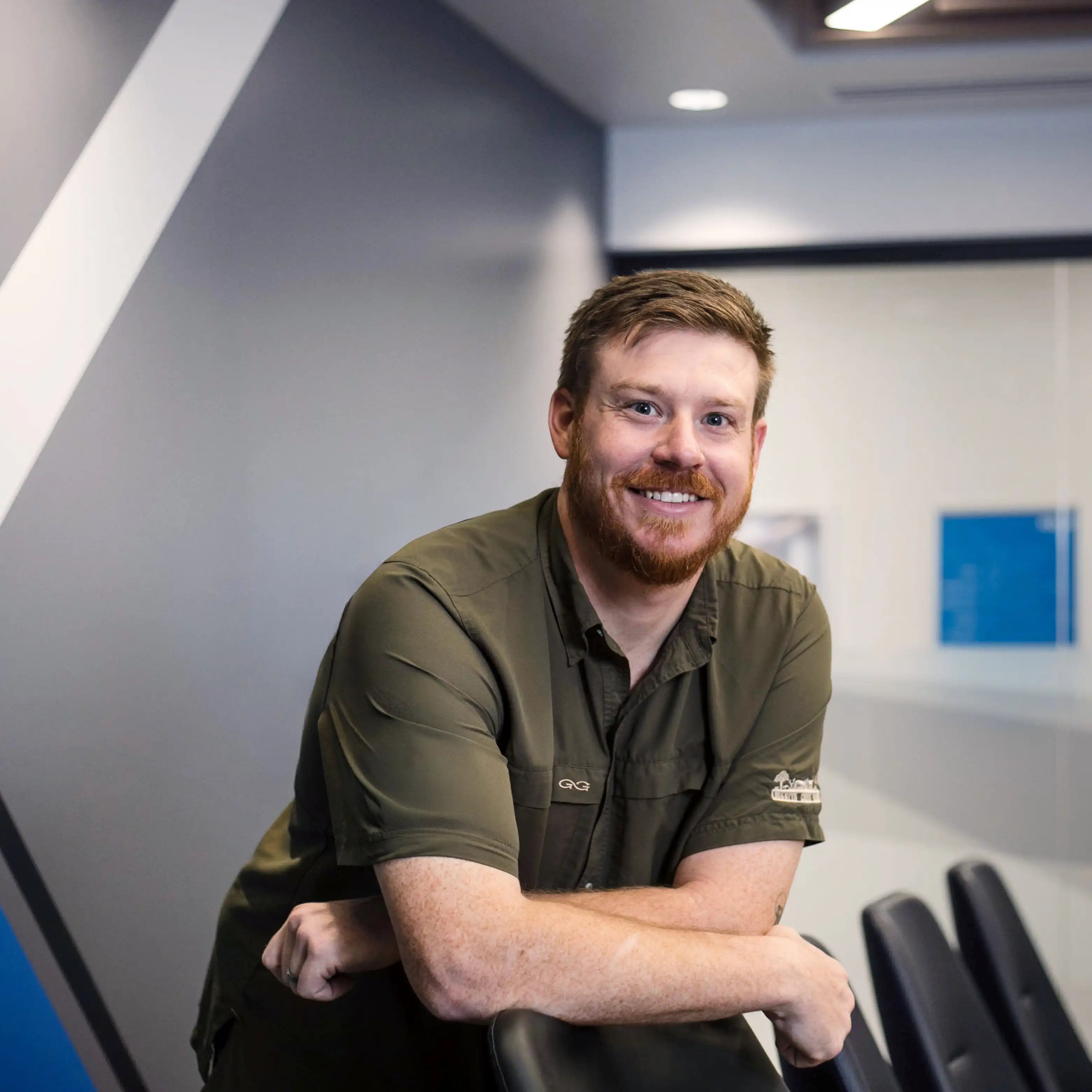
Brian Wofford, Construction Manager
In a world of more than 7,000 languages, communication is what connects us. Clarity across cultures keeps people safe and projects moving, especially for Brian Wofford, a Construction Manager at Exyte in Texas. Using real-time translation tools on diverse data center sites, he helps turn many languages into one team, all of it powered by the digital infrastructure Exyte delivers.
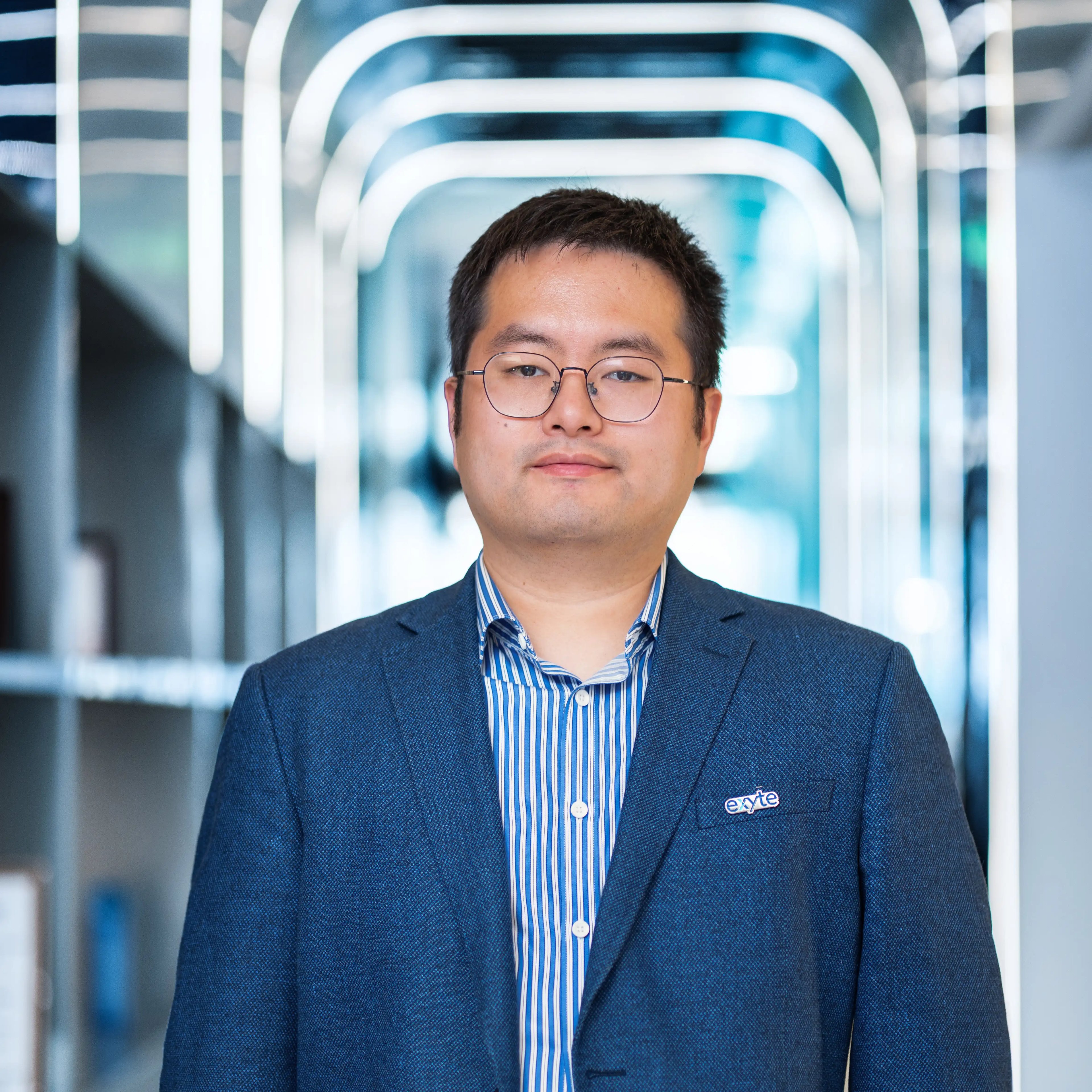
Jim Chuan Qin, Lead Architect
What once felt like science fiction is now part of everyday life. For Jim Chuan Qin, an engineer with Exyte in Northeast Asia, semiconductors power everything from smart homes and wearables to drones in the sky. By helping deliver the facilities behind advanced chips, Qin plays a role in turning futuristic technology into daily convenience.

Elisa Oakley, Senior Industrial Engineer, and Teresa Alex, Electrical Engineering Manager
Some futures don’t arrive with fanfare; they can coast through neighborhoods and zoom down highways or even sit in your driveway – as it does for Elisa Oakley and Teresa Alex. Both women work for Exyte’s Global Business Unit Advanced Technology Facilities in the US. The future of mobility sits outside their front doors in the form of fully electric vehicles (EVs), made possible by batteries produced in facilities Exyte designs and delivers.

Jason Jia, Process Engineer
Sometimes the future comes full circle as it does for Jason Jia, a Process Engineer at Exyte in Northeast Asia. The facilities he helps design produce the very medicine he relies on. Living with diabetes, Jia uses semaglutide which is manufactured in Exyte-delivered pharma plants, making Exyte’s impact tangible for both patients across the world and in his own daily life.