
What once seemed stranger than fiction, or too futuristic to be true, has quietly become part of our daily lives. Robotics in our homes, devices that can detect the slightest changes in your body, and cameras that can fly (better known as drones) are now very much second nature.
At the heart of this are semiconductors. As a synonym of progress, they grow more powerful by becoming smaller and are engineered at scales almost invisible to the human eye. Today’s most advanced chips are measured in single-digit nanometers, thinner than a human hair but capable of powering systems once limited to science fiction.
Jim Chuan Qin, a Lead Architect with Exyte in Northeast Asia, lives with that future both at work and in his own home. His smart TV responds to his voice; his lighting, air conditioning and appliances run on programmed schedules; his front door opens with a fingerprint instead of a key. All these systems depend on highly specialized chips that are enabled by the types of facilities Jim and his colleagues design and realize. “You feel the convenience every day,” Qin laughs. “Sometimes it’s so convenient you forget there are very complex technologies behind the everyday convenience, and the facilities that make them possible.”
In his spare time Qin takes off to the sky via his drone. He says he is drawn by the beauty of seeing the world from above. “Drones today are remarkably accessible with high resolution cameras and advanced sensors. The first time I flew one, I was amazed.” These devices rely on advanced semiconductor technology, and they now play a role in his work too as drones capture images of remote project sites, helping teams continue their work thousands of kilometers away.
Even Qin’s fitness routine is mapped and measured through his smart watch, tracking heart rate, sleep quality, and health data. All this is processed through the same chip driven technologies Exyte’s projects help bring to life. “When you see how these devices shape your own day, you understand why Exyte’s work matters. The future exists now, and it is right in front of us. We make that possible.”

Elisa Oakley, Senior Industrial Engineer, and Teresa Alex, Electrical Engineering Manager
Some futures don’t arrive with fanfare; they can coast through neighborhoods and zoom down highways or even sit in your driveway – as it does for Elisa Oakley and Teresa Alex. Both women work for Exyte’s Global Business Unit Advanced Technology Facilities in the US. The future of mobility sits outside their front doors in the form of fully electric vehicles (EVs), made possible by batteries produced in facilities Exyte designs and delivers.
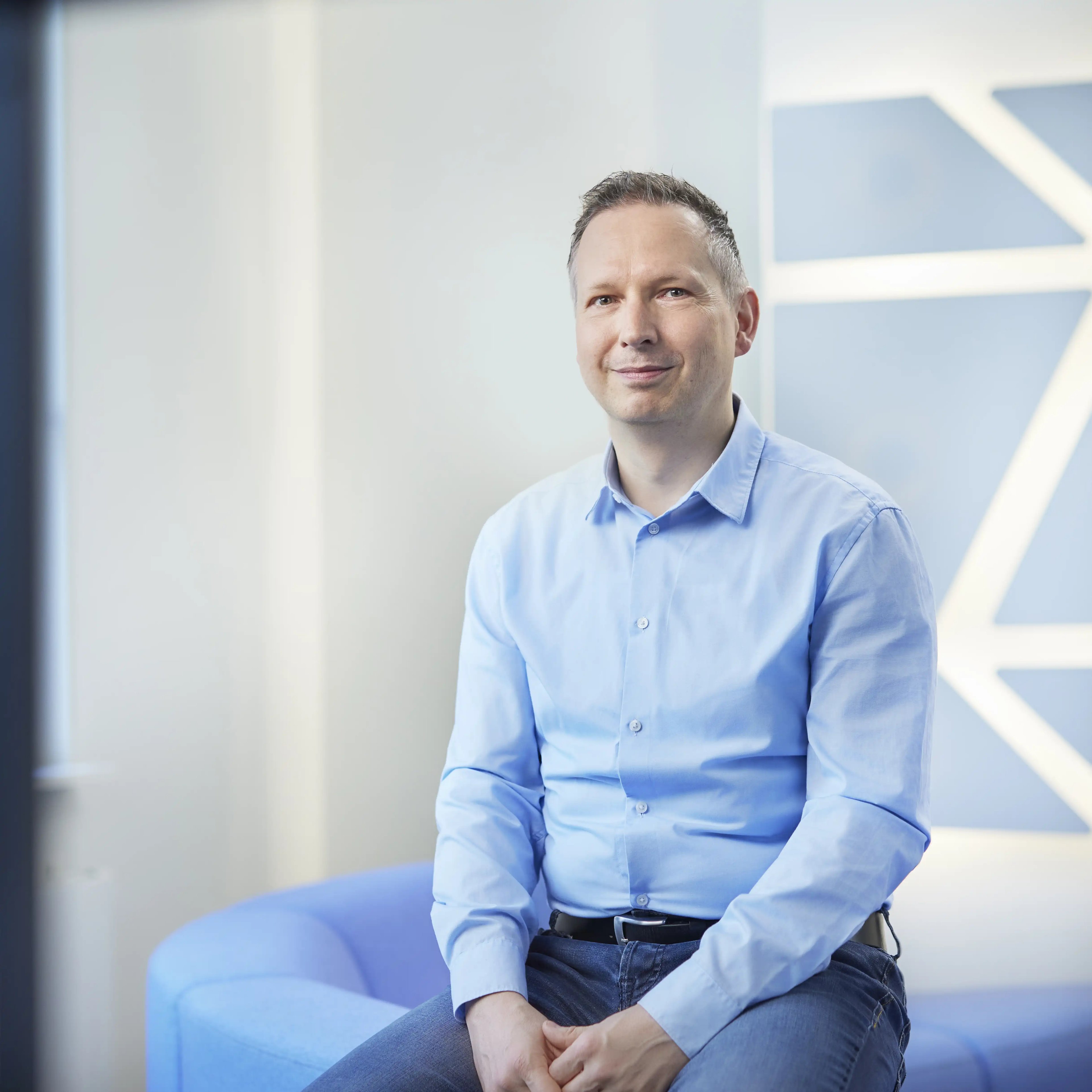
Eric Spaete, Senior Sales Funnel Manager
Our early memories and formative years help define who we are. For Eric Spaete, video games and programming have been a part of his life for as long as he can remember. Raised in 1980s East Germany, his curiosity turned into a career that now connects gaming passion with the data centers powering the digital world. Today, he helps shape the infrastructure behind online play, streaming, and cloud gaming.

Jason Jia, Process Engineer
Sometimes the future comes full circle as it does for Jason Jia, a Process Engineer at Exyte in Northeast Asia. The facilities he helps design produce the very medicine he relies on. Living with diabetes, Jia uses semaglutide which is manufactured in Exyte-delivered pharma plants, making Exyte’s impact tangible for both patients across the world and in his own daily life.
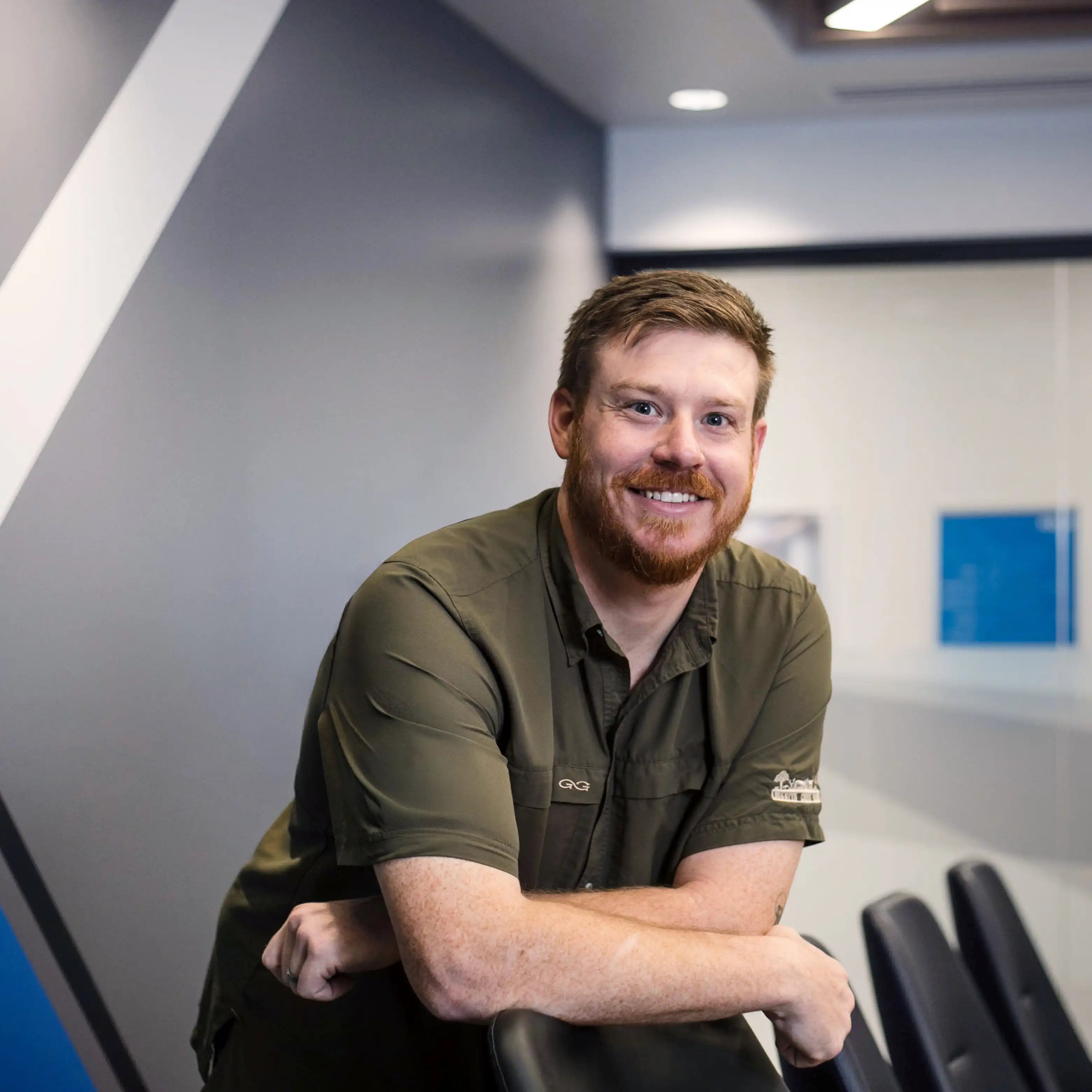
Brian Wofford, Construction Manager
In a world of more than 7,000 languages, communication is what connects us. Clarity across cultures keeps people safe and projects moving, especially for Brian Wofford, a Construction Manager at Exyte in Texas. Using real-time translation tools on diverse data center sites, he helps turn many languages into one team, all of it powered by the digital infrastructure Exyte delivers.